
2026 Orchid China at Kew Gardens
Date: 7th of Feb to 8th of March 2026
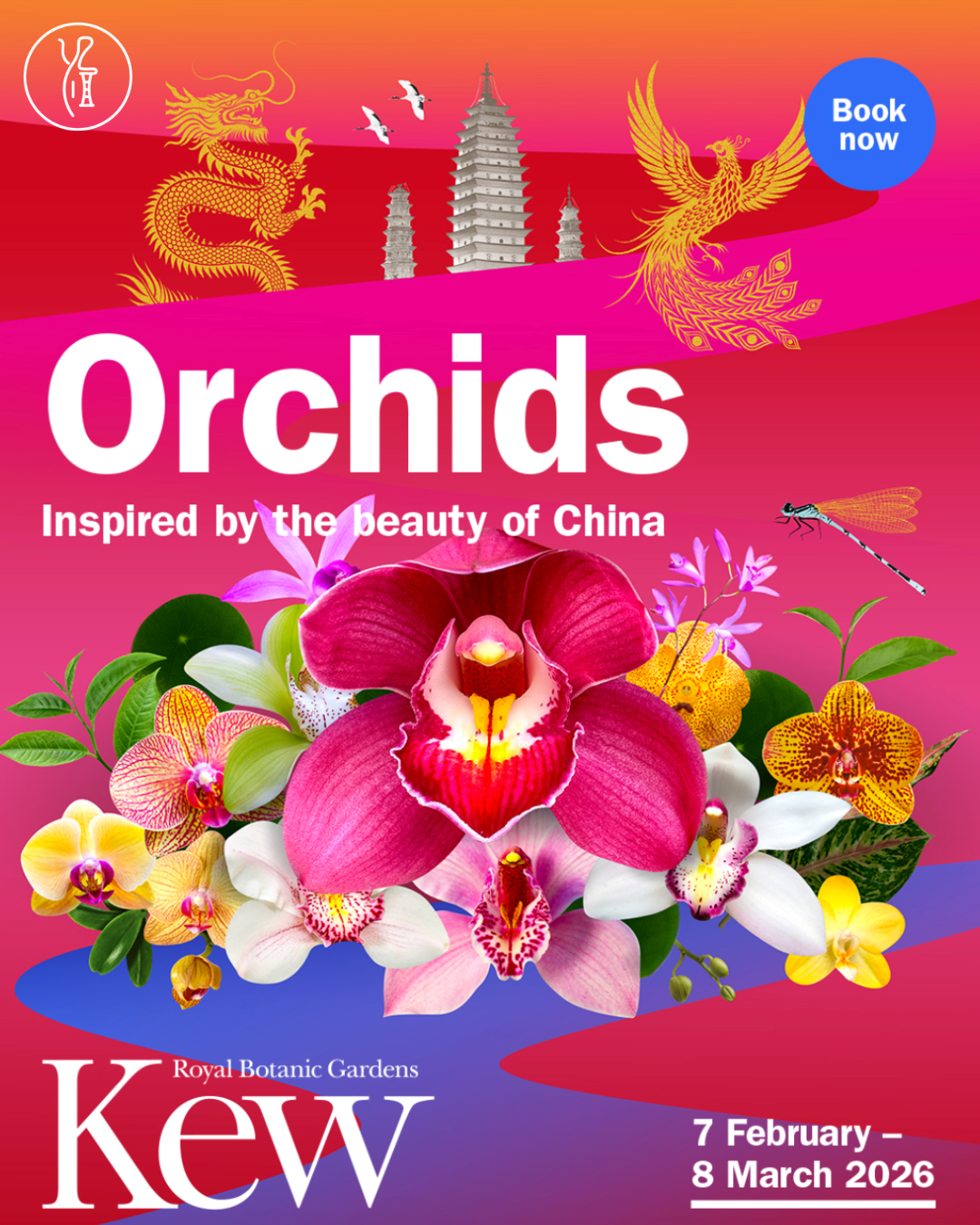
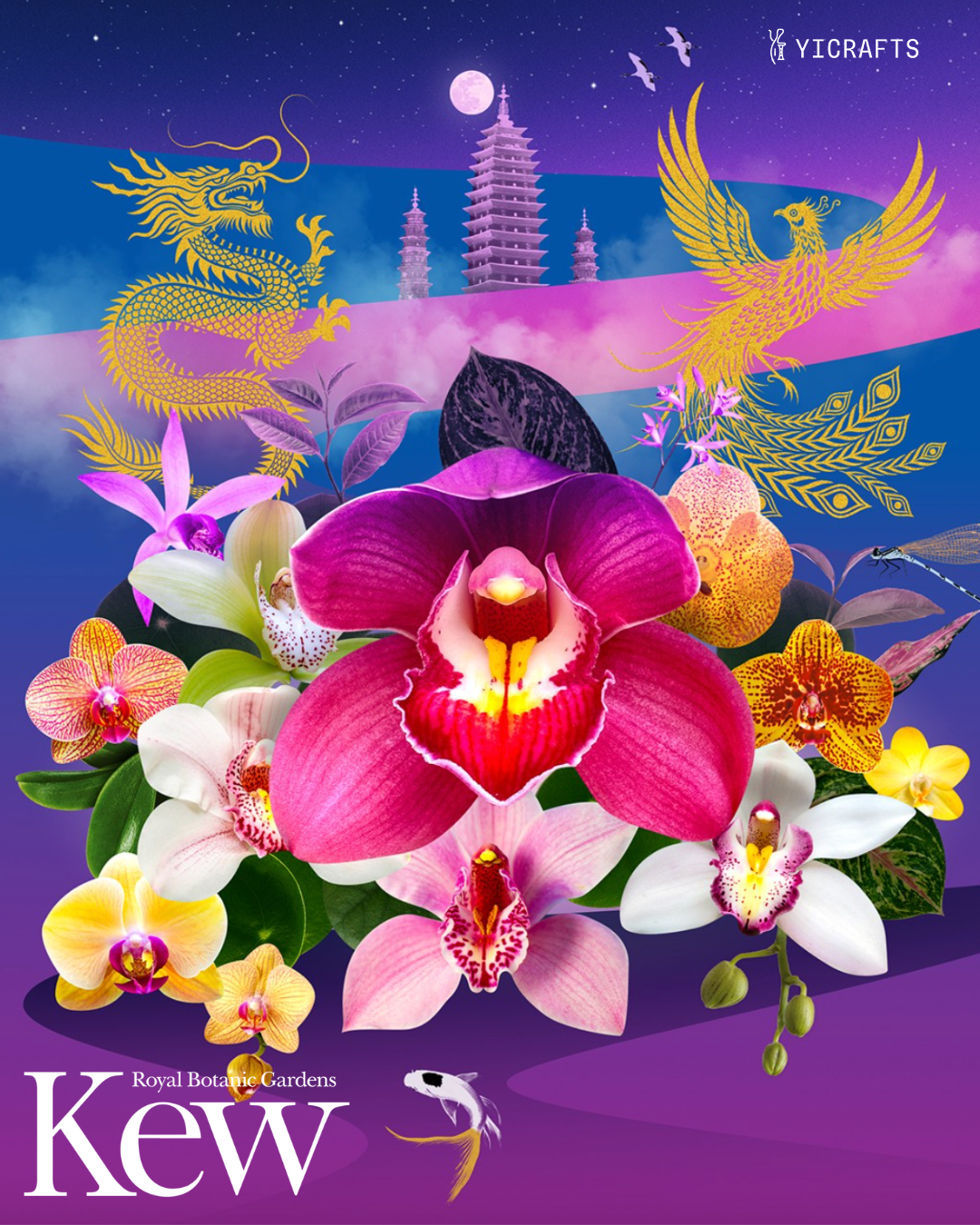
“Yi Crafts was delighted to take part in Orchids: China, a seasonal exhibition hosted at the iconic Royal Botanic Gardens, Kew. The exhibition celebrated the beauty of orchids alongside the richness of Chinese culture, bringing together botanical displays, artistic installations, and cultural programming.
The 2026 festival takes inspiration from China’s remarkable biodiversity, heritage and design traditions, filling our Princess of Wales glasshouse with a dazzling array of orchids and large-scale floral installations.Wander among dragons, lanterns and intricate plant sculptures that bring to life the beauty and wildlife of one of the world’s most biodiverse countries and experience a burst of colour and warmth in the winter months.Orchids will also provide an opportunity to celebrate the reach of Kew’s science and highlight the importance of plant conservation and global collaboration.”
Garden Installation
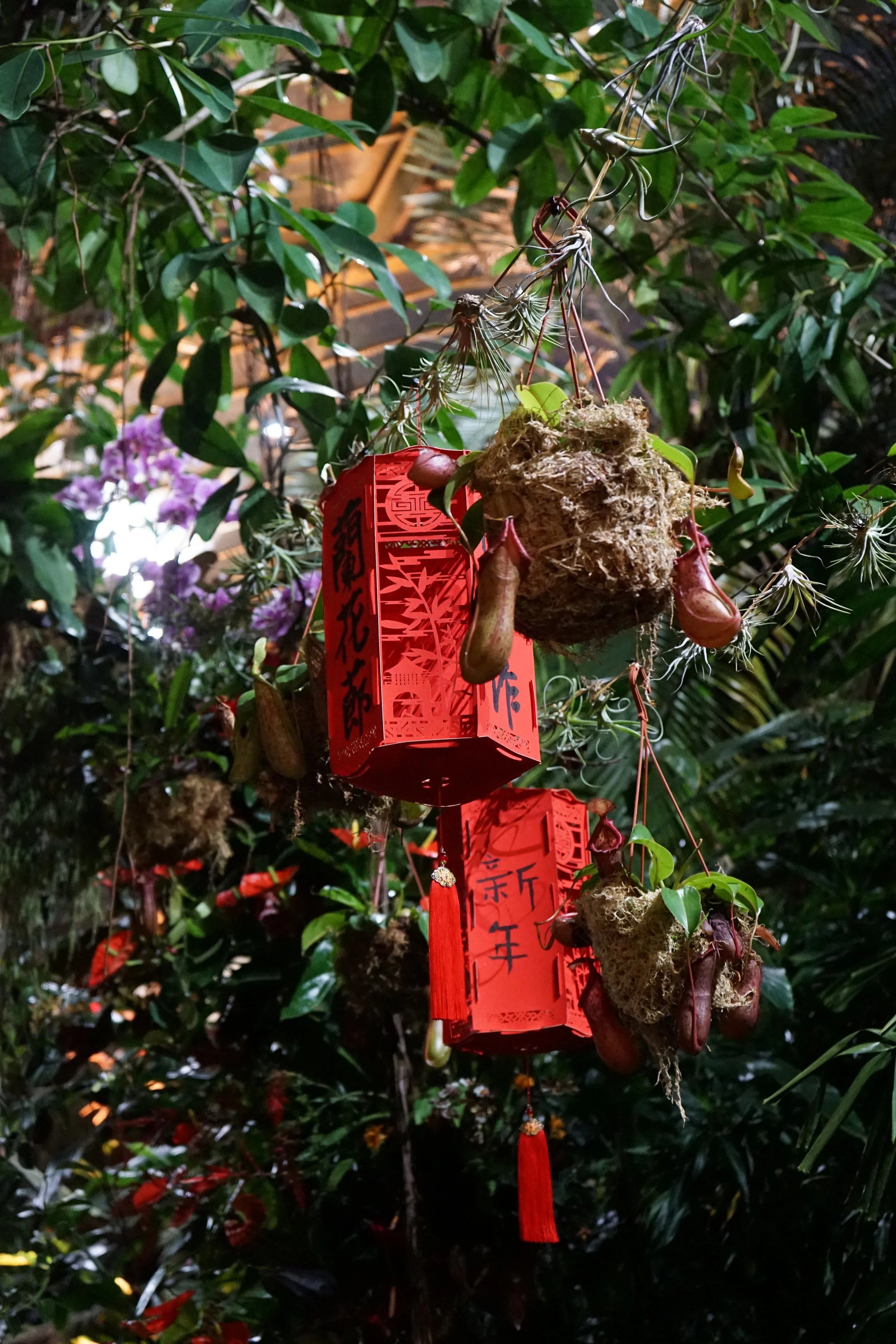
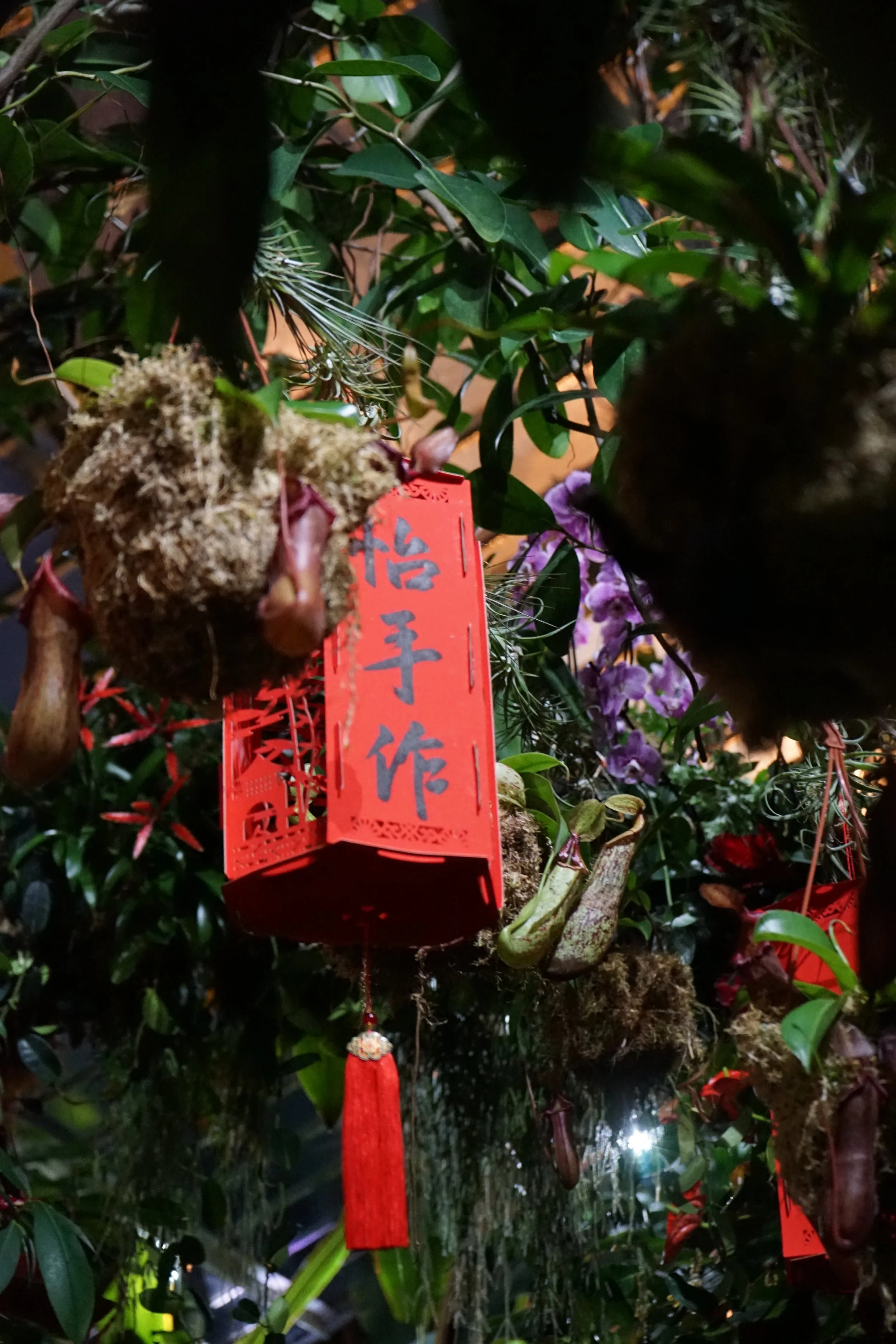
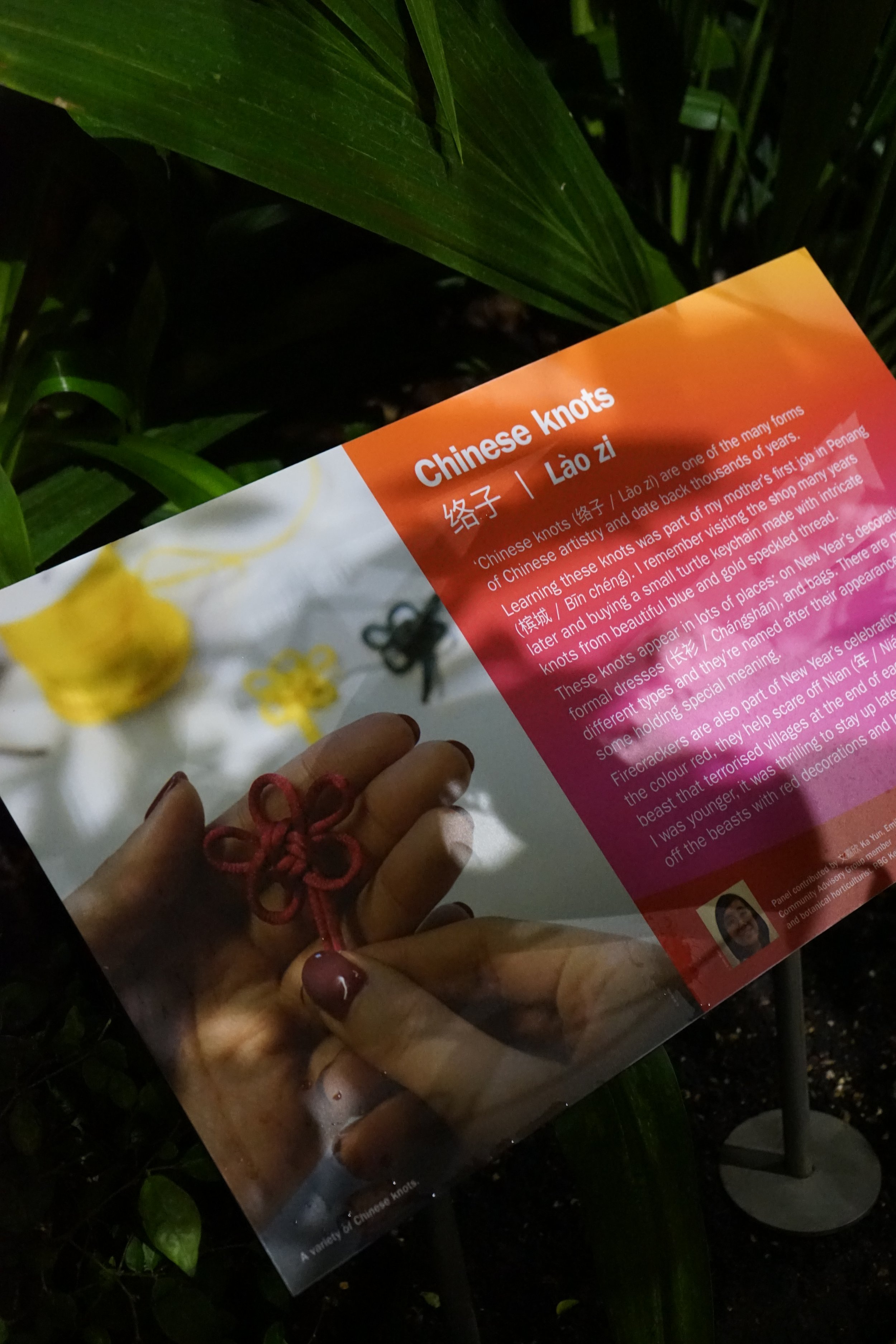
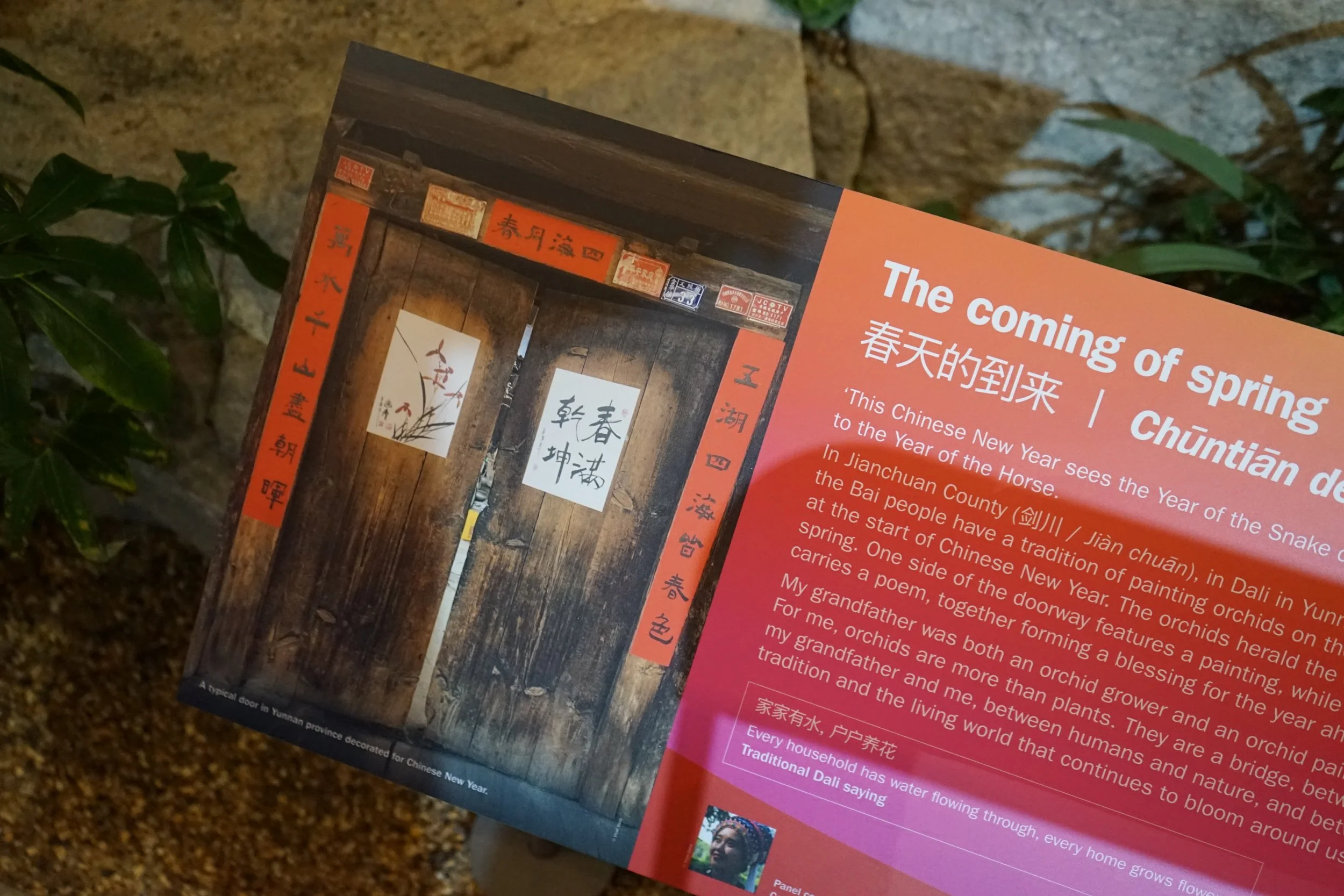
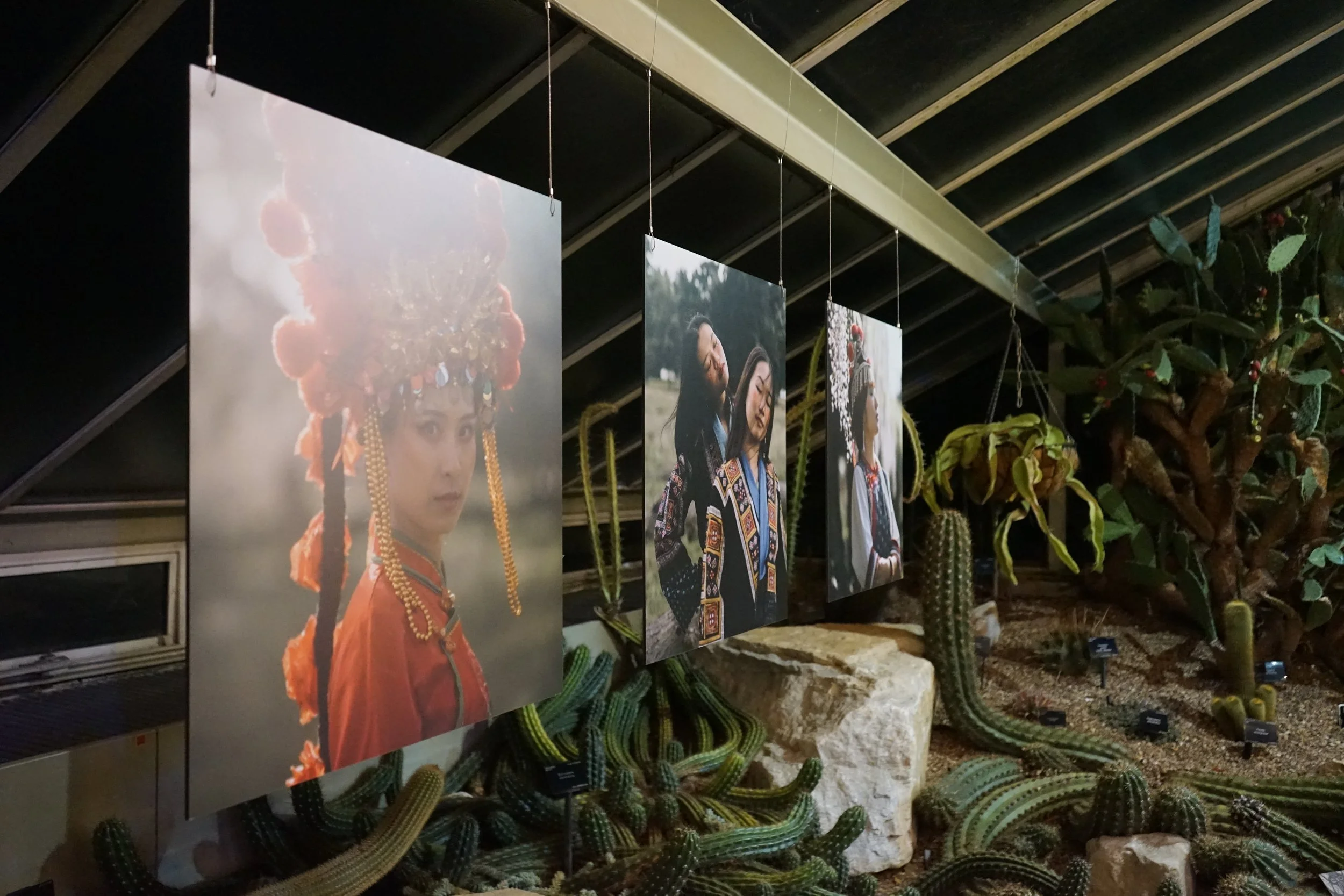
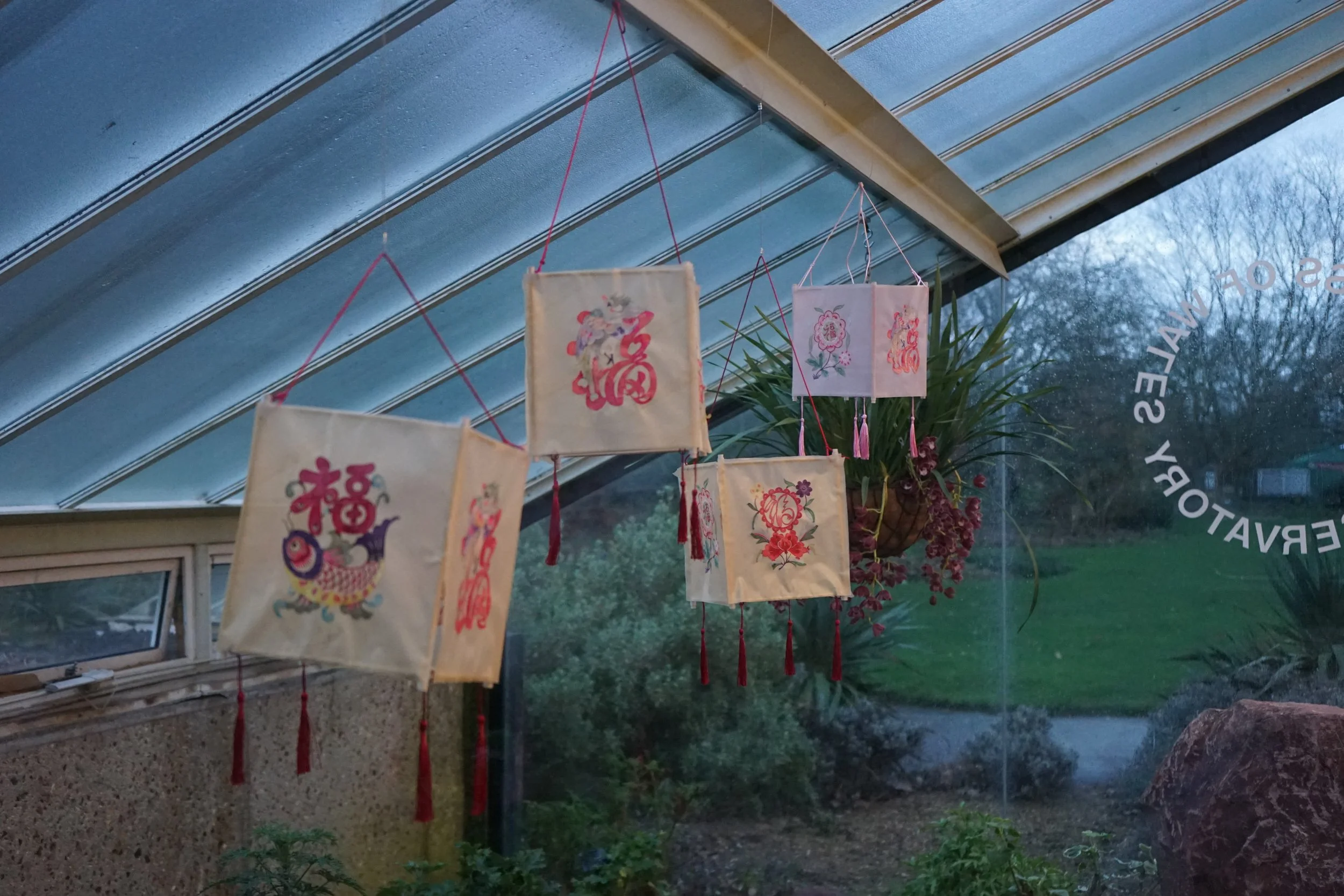
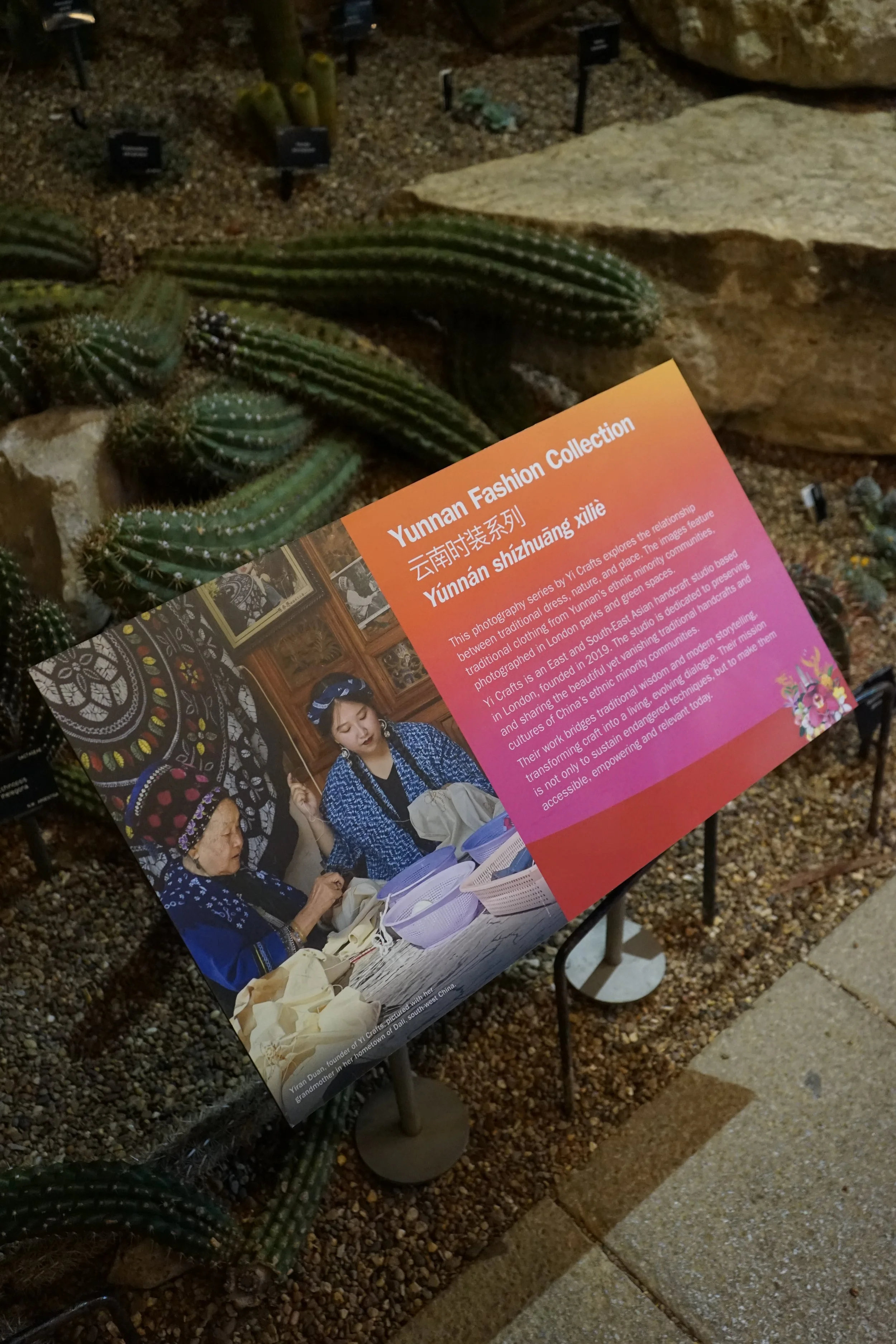
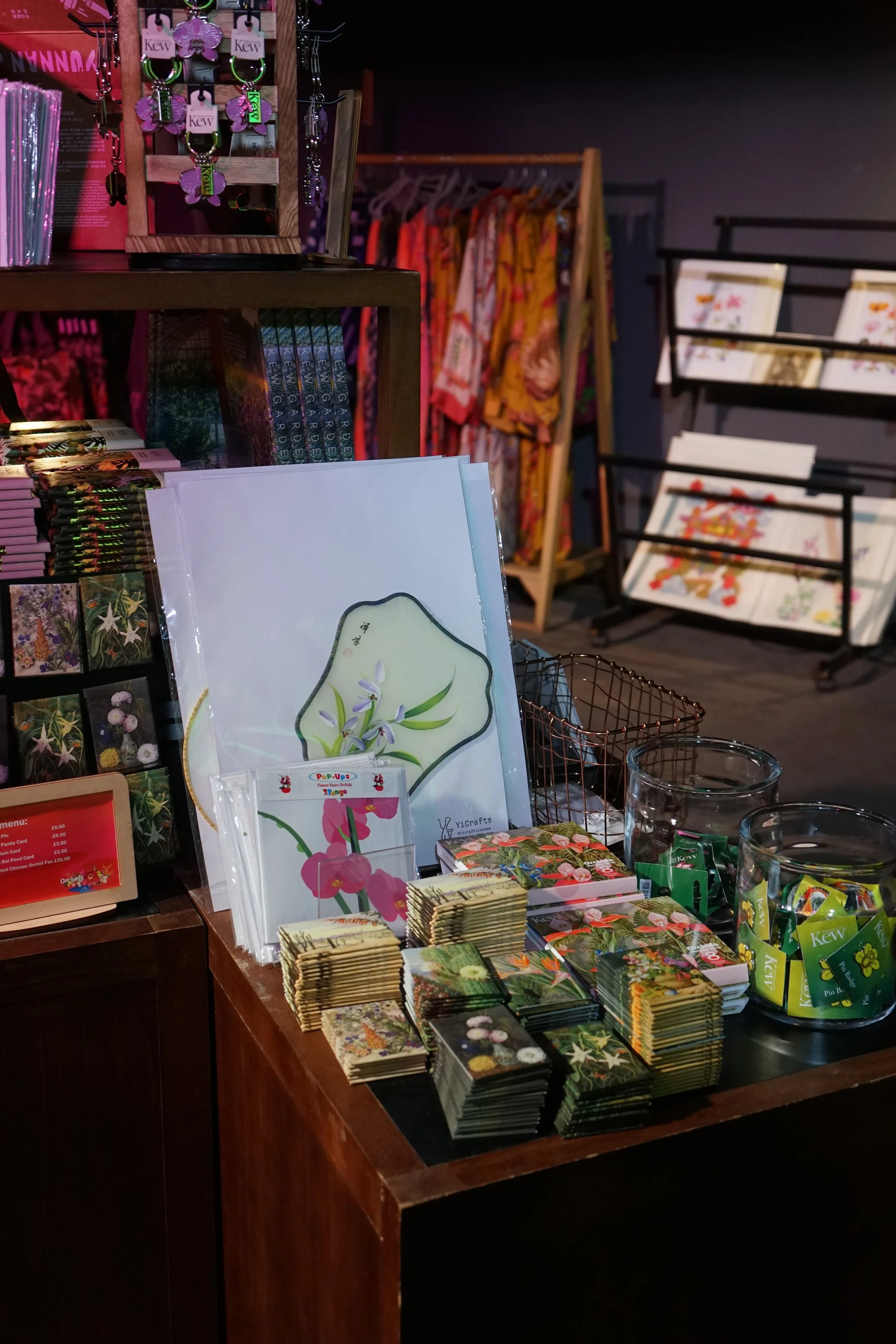
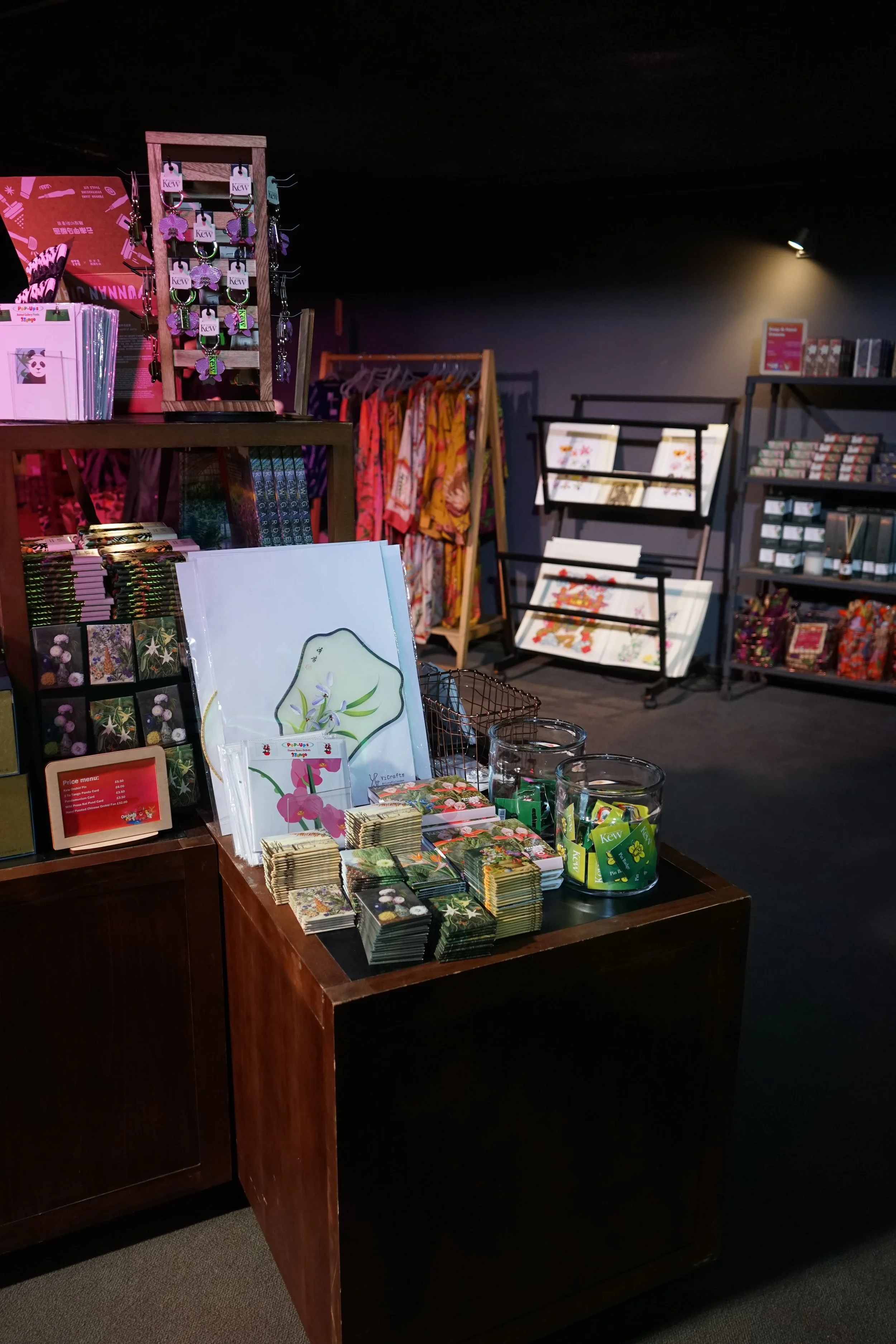
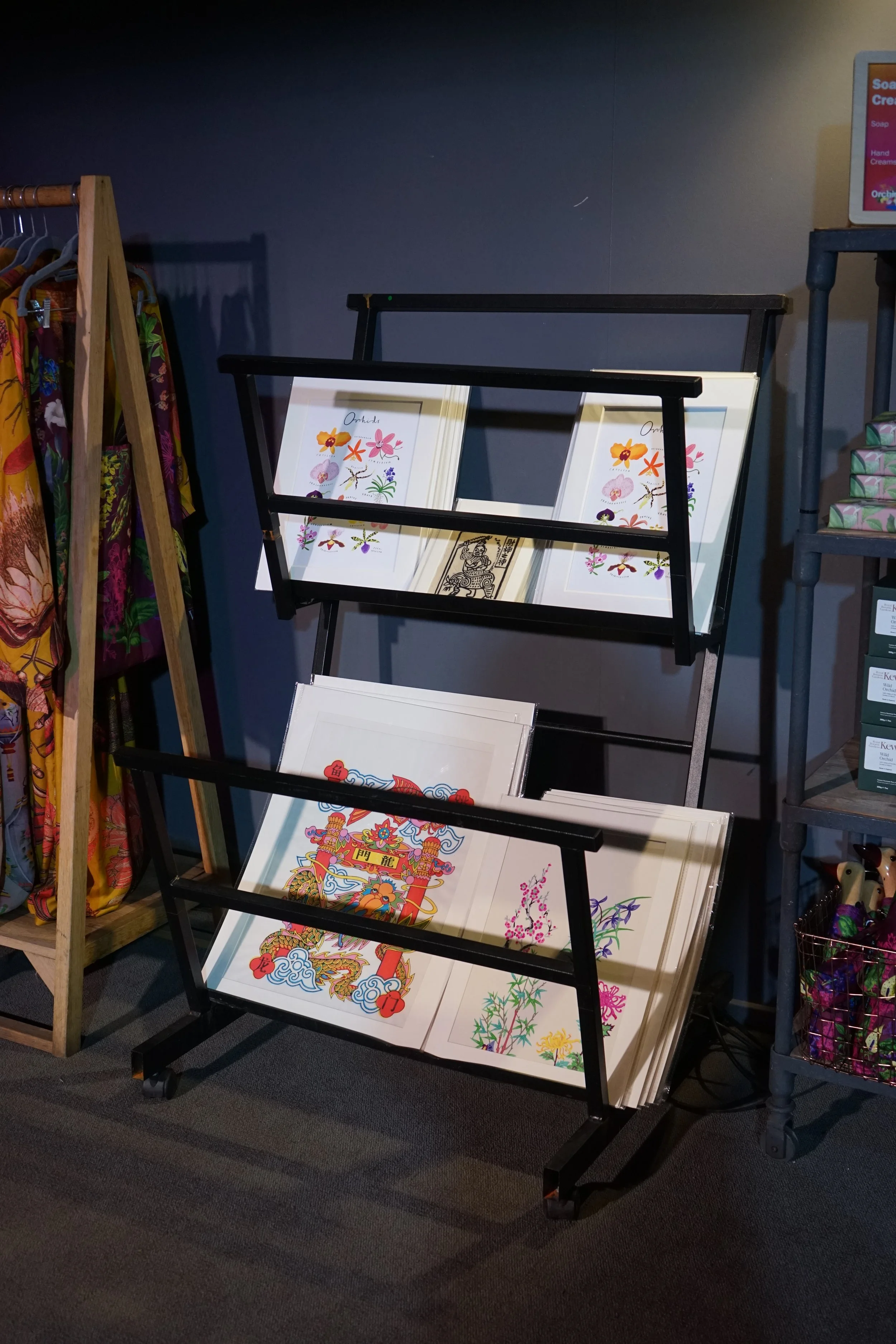
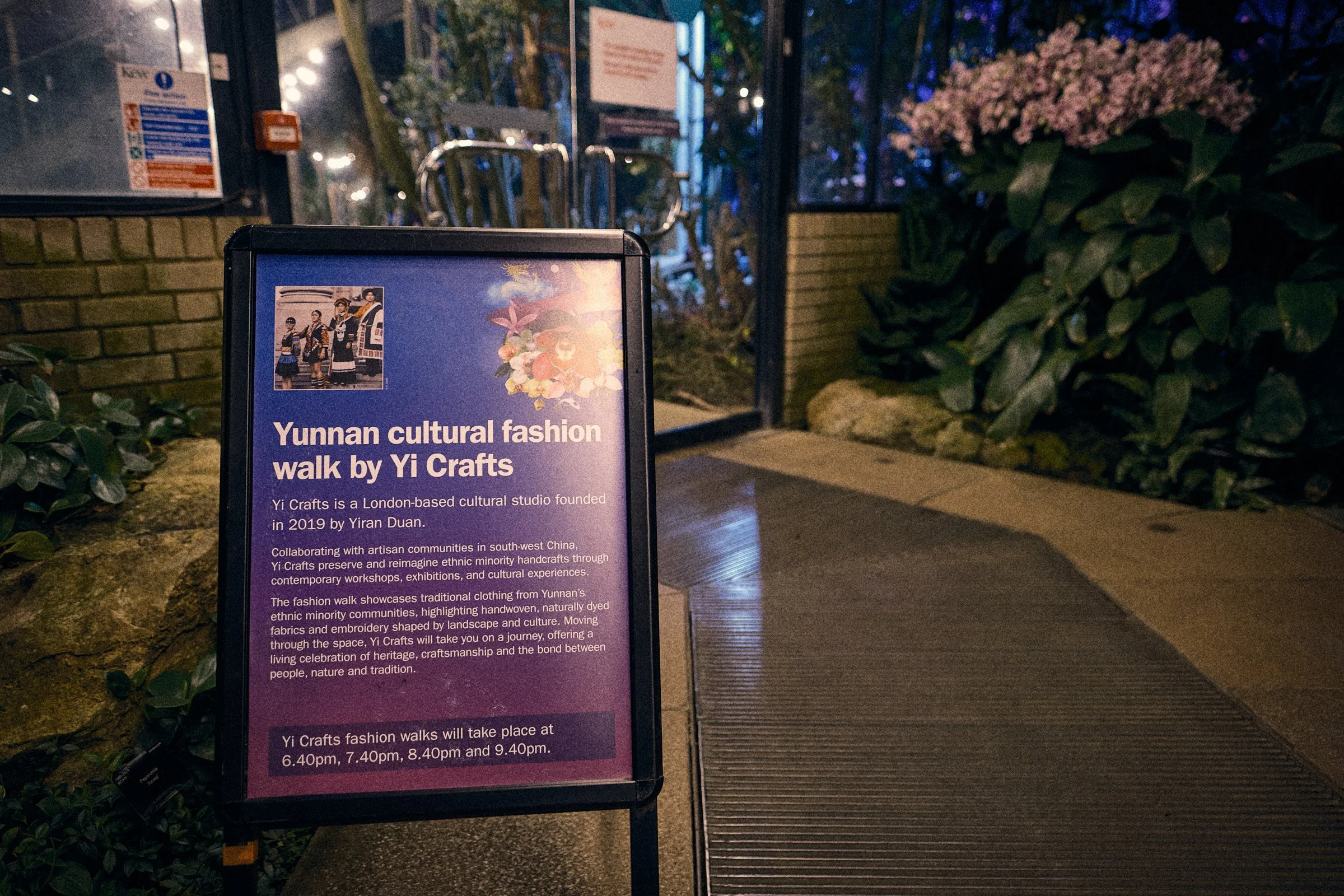
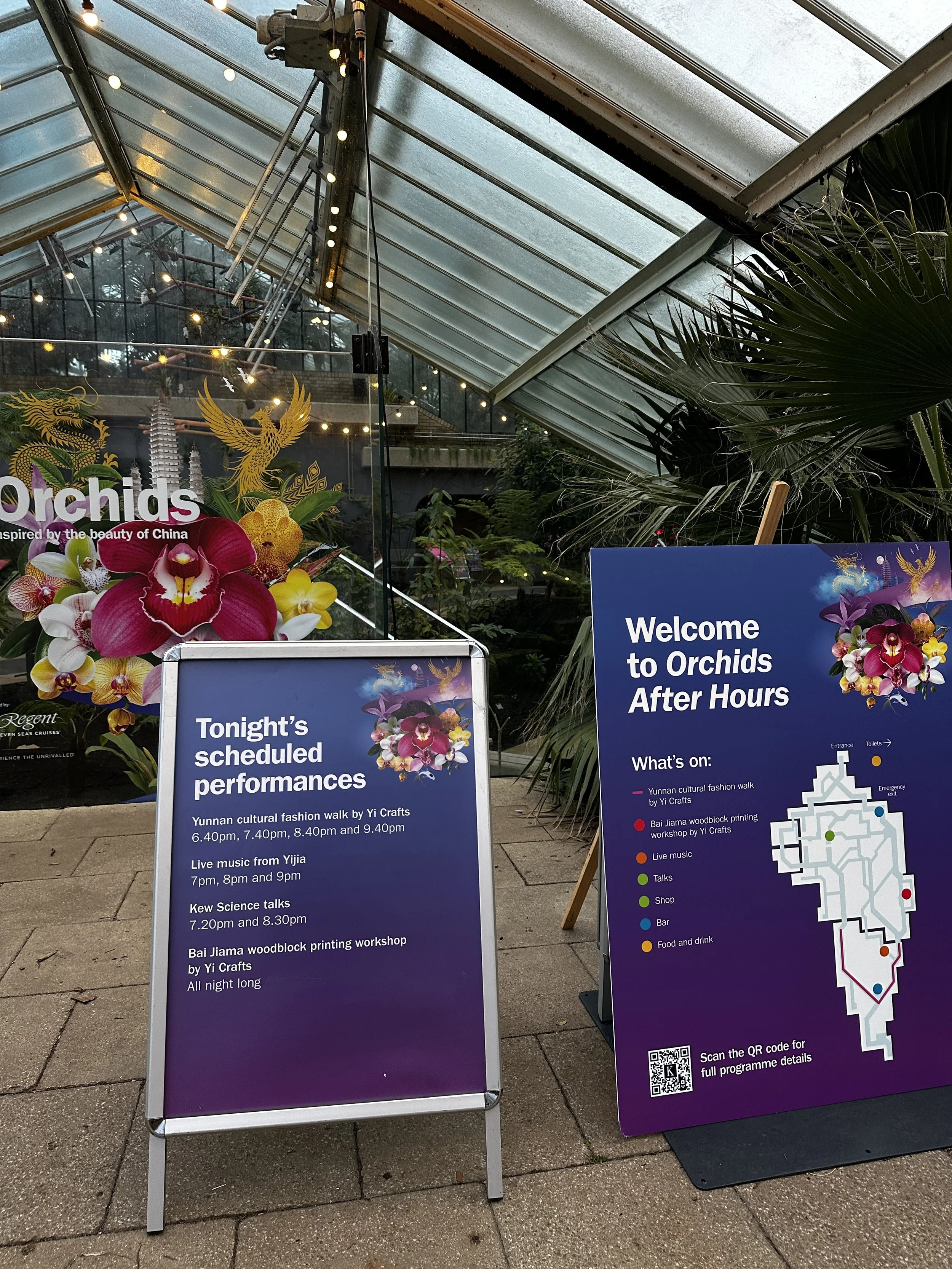
As part of the exhibition at Royal Botanic Gardens, Kew, Yi Crafts contributed to the garden environment through a collaborative installation celebrating traditional Chinese craft and cultural heritage.
The installation featured「Photographic works documenting ethnic minority communities from Yunnan, China」, highlighting the vibrant textiles, clothing, and everyday cultural practices that continue to shape regional craft traditions.
Alongside the photography display, we collaborated with the Kew Gardens team to create traditional Chinese handmade paper lanterns. These lanterns were crafted using traditional techniques and materials, adding warm light and cultural symbolism to the exhibition space.
As part of the process, we invited members of the Kew staff to join the making process. Together, we decorated the lanterns with Chinese calligraphy written using traditional brushes, transforming the lanterns into shared cultural artefacts that reflected both craftsmanship and collaboration.
This installation not only enriched the visual atmosphere of the garden exhibition but also created a meaningful moment of exchange between cultural traditions and the people who helped bring the space to life.
Orchids: China After Hours
Yi Crafts also participated in the special evening programme Orchids: China After Hours,
where visitors experienced the exhibition in a more immersive nighttime setting.
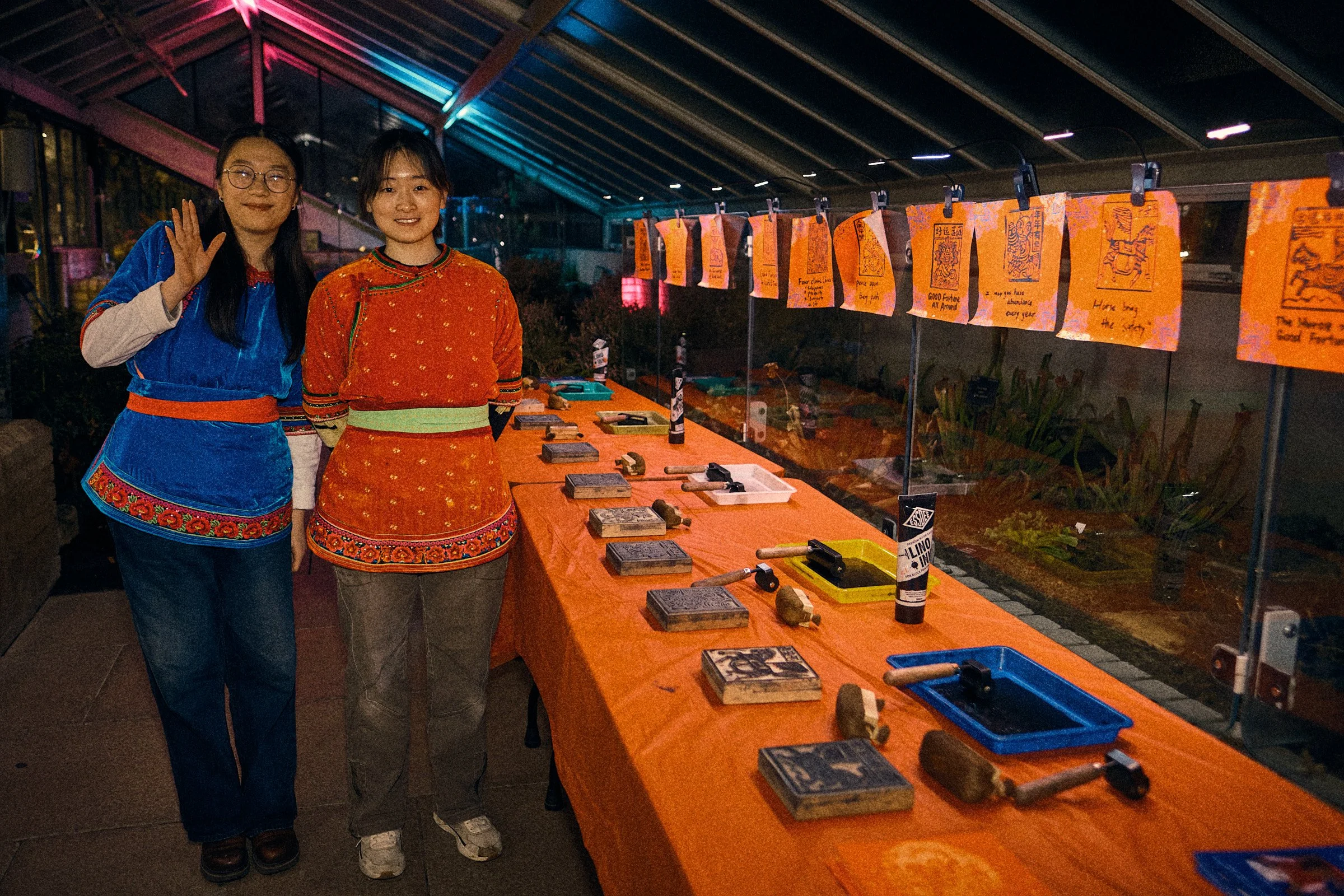
During the event, we hosted interactive activities that invited visitors to engage directly with traditional craft practices.
Woodblock Printing
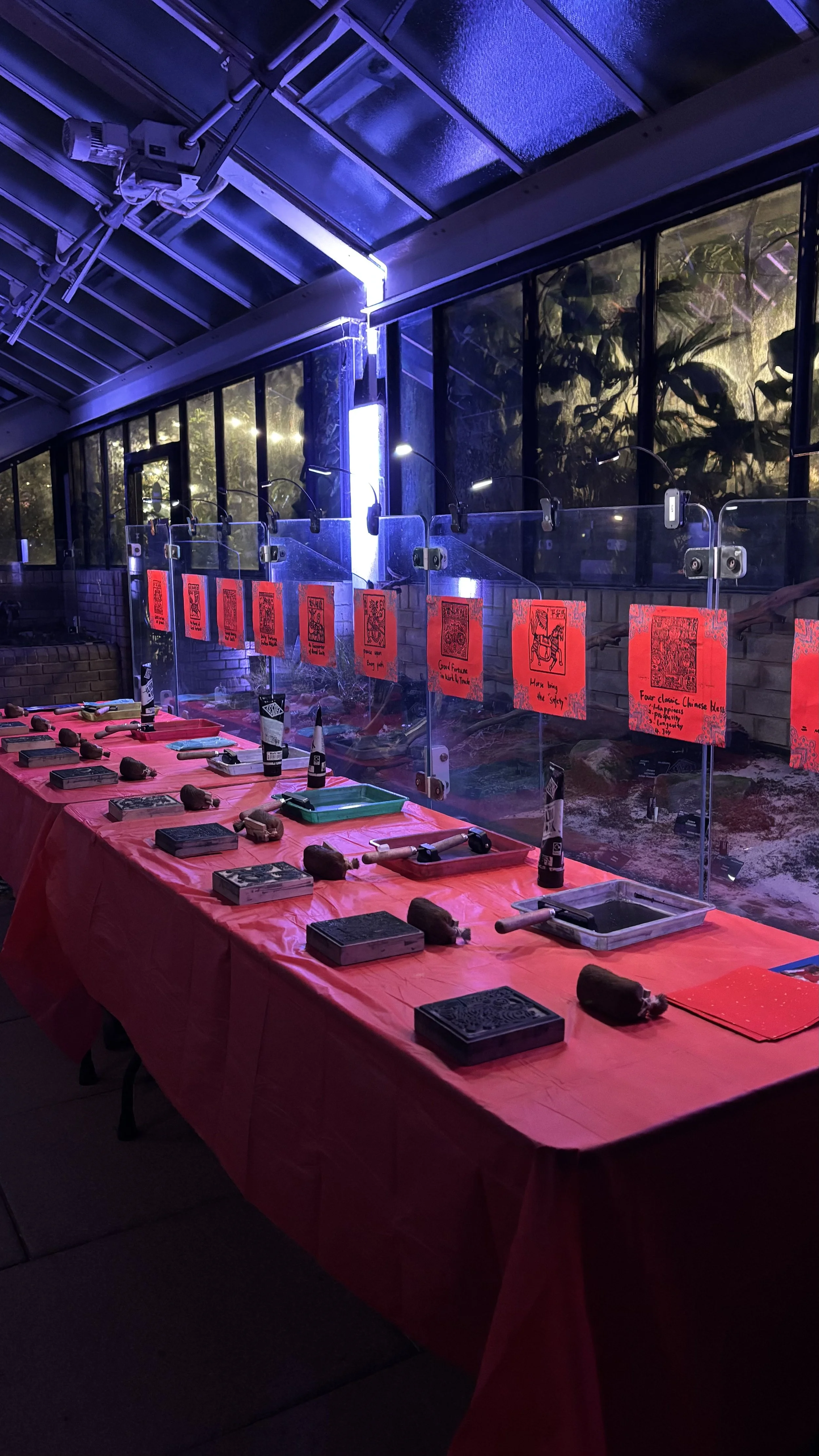
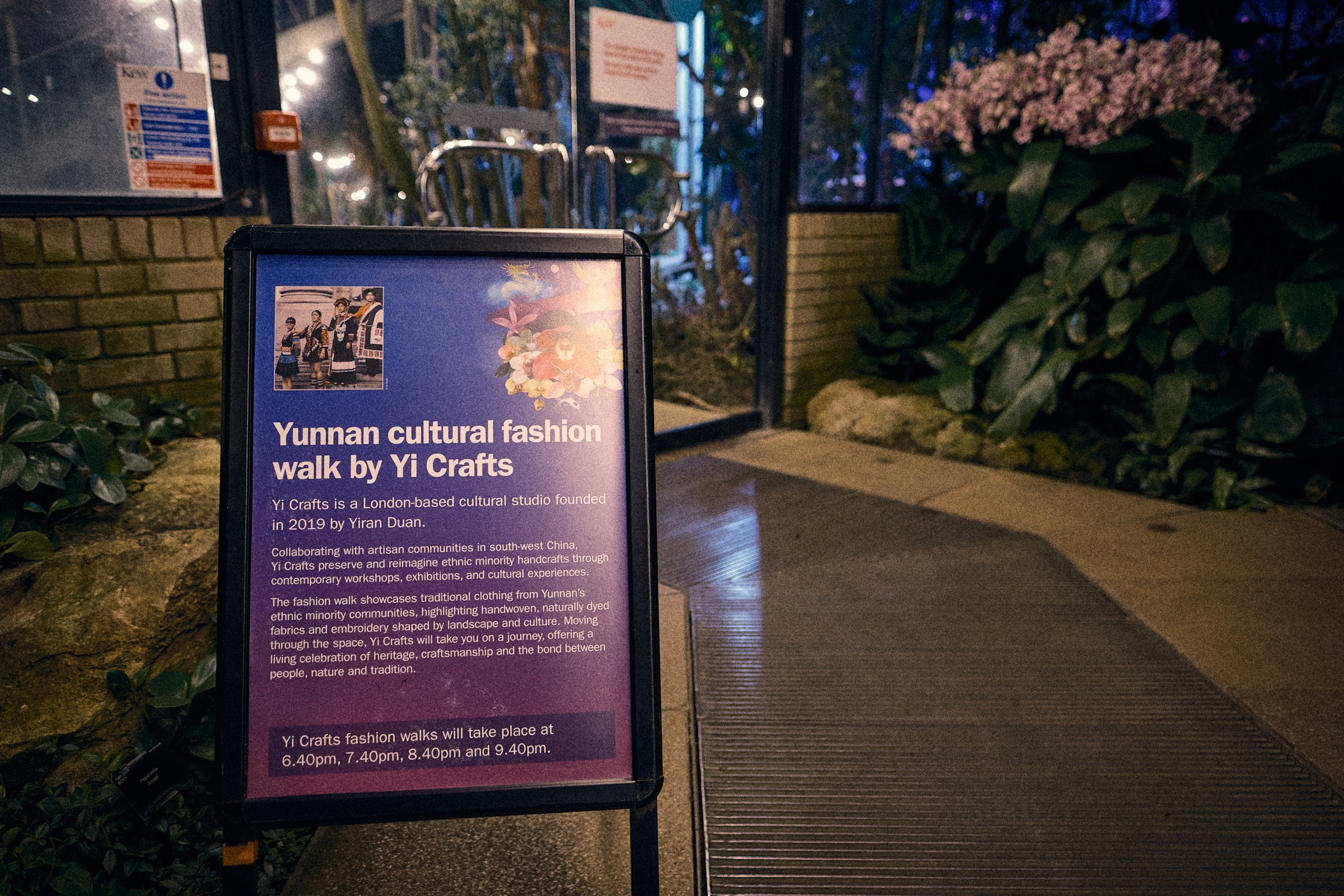
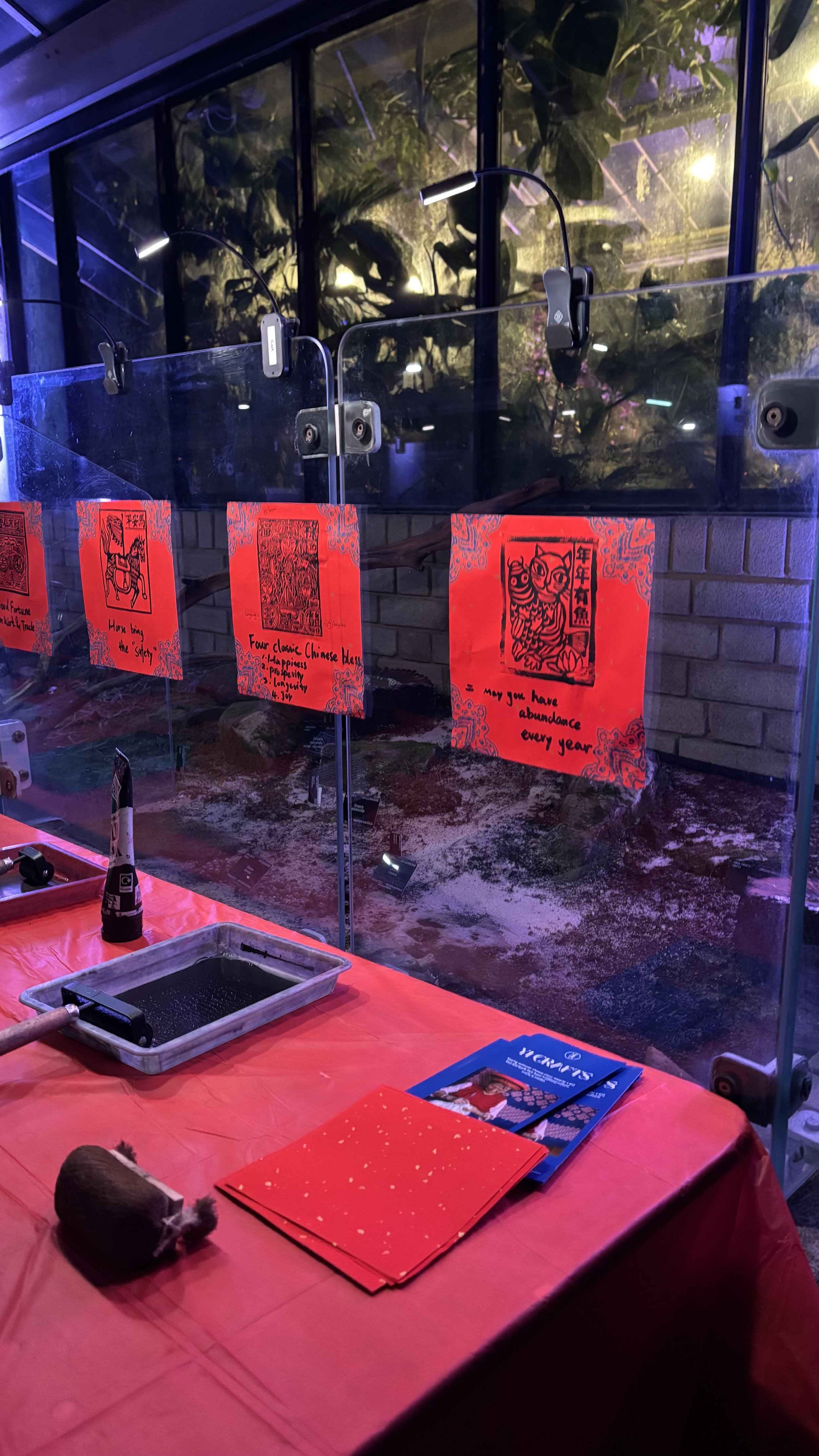
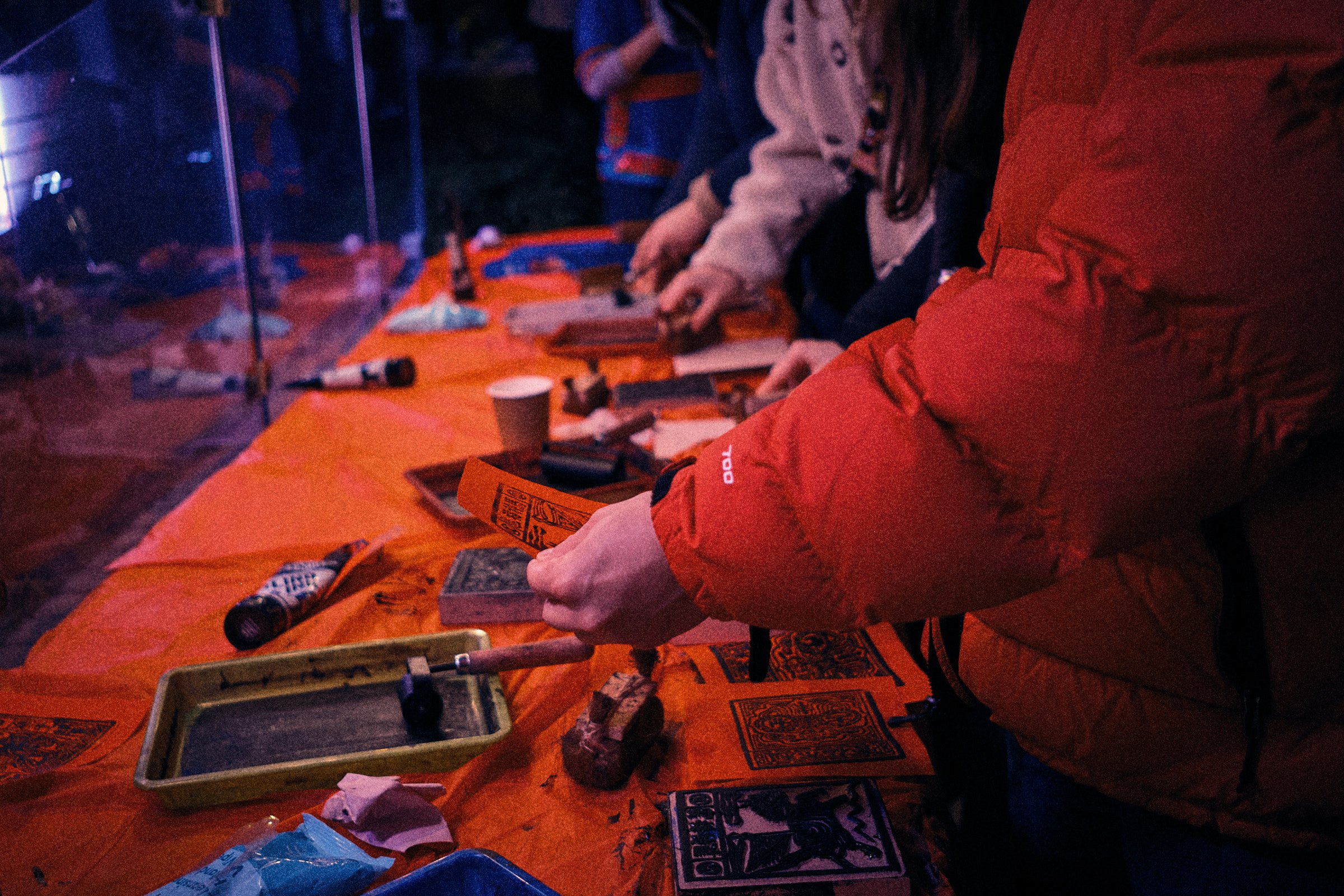
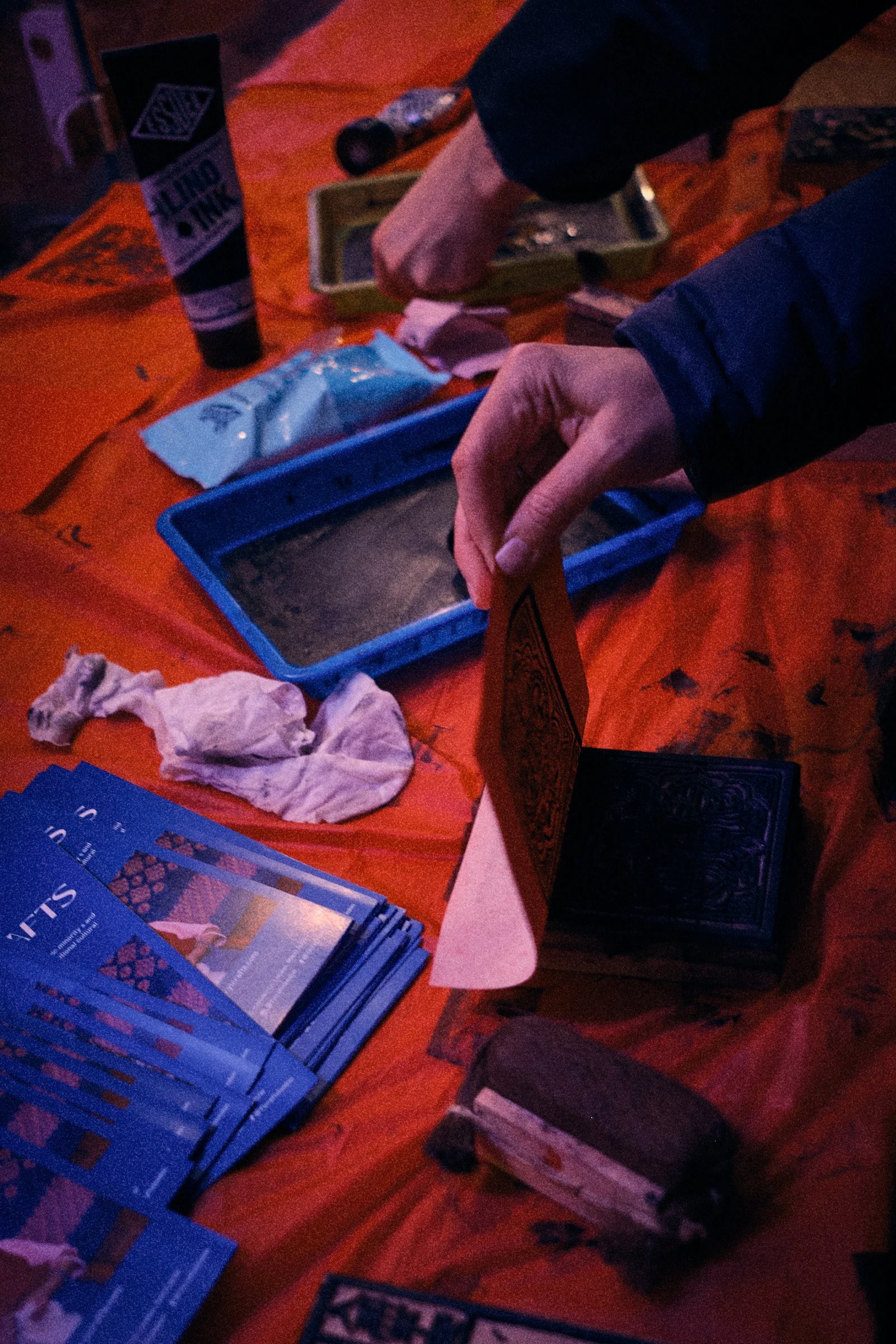
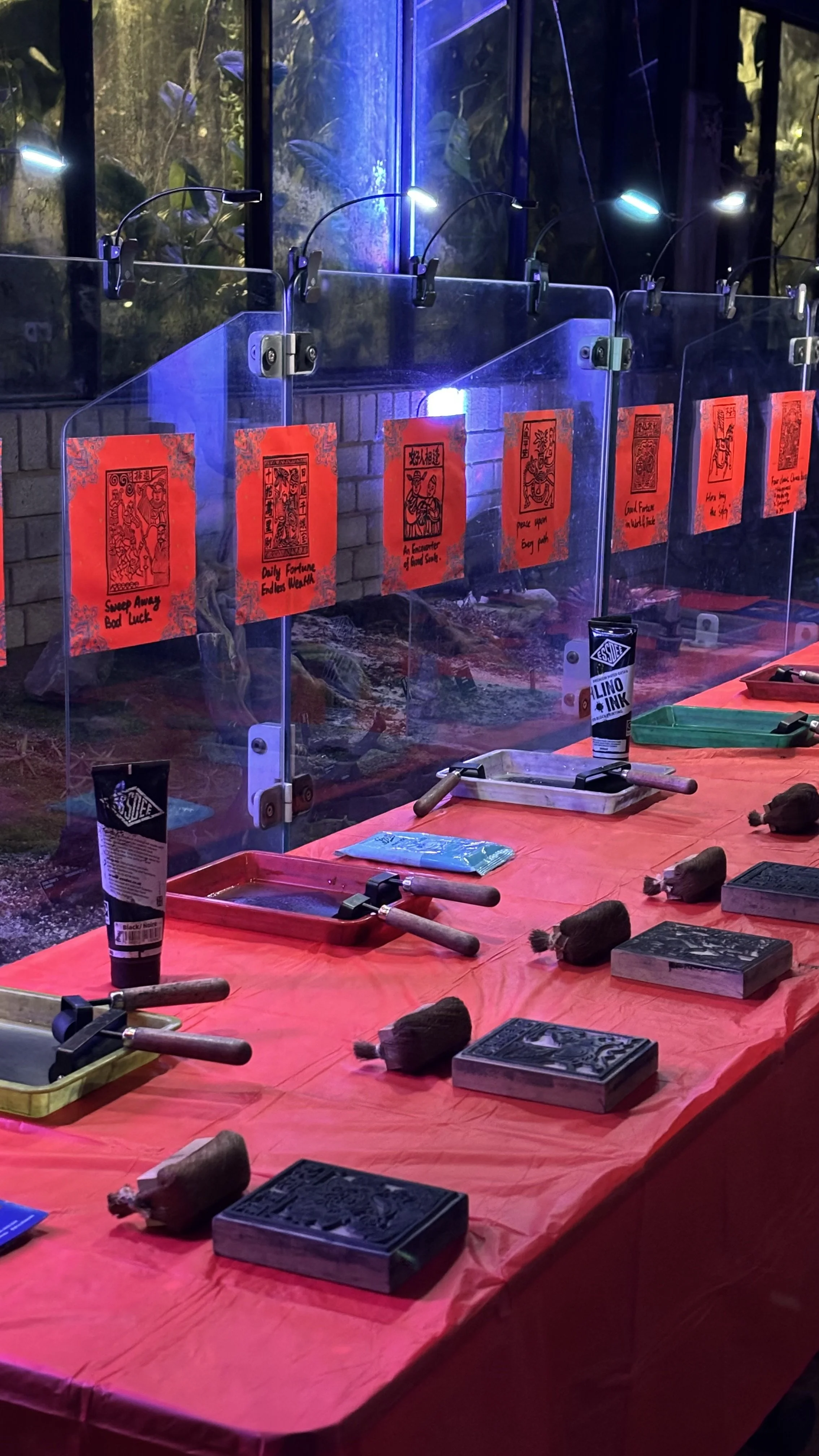
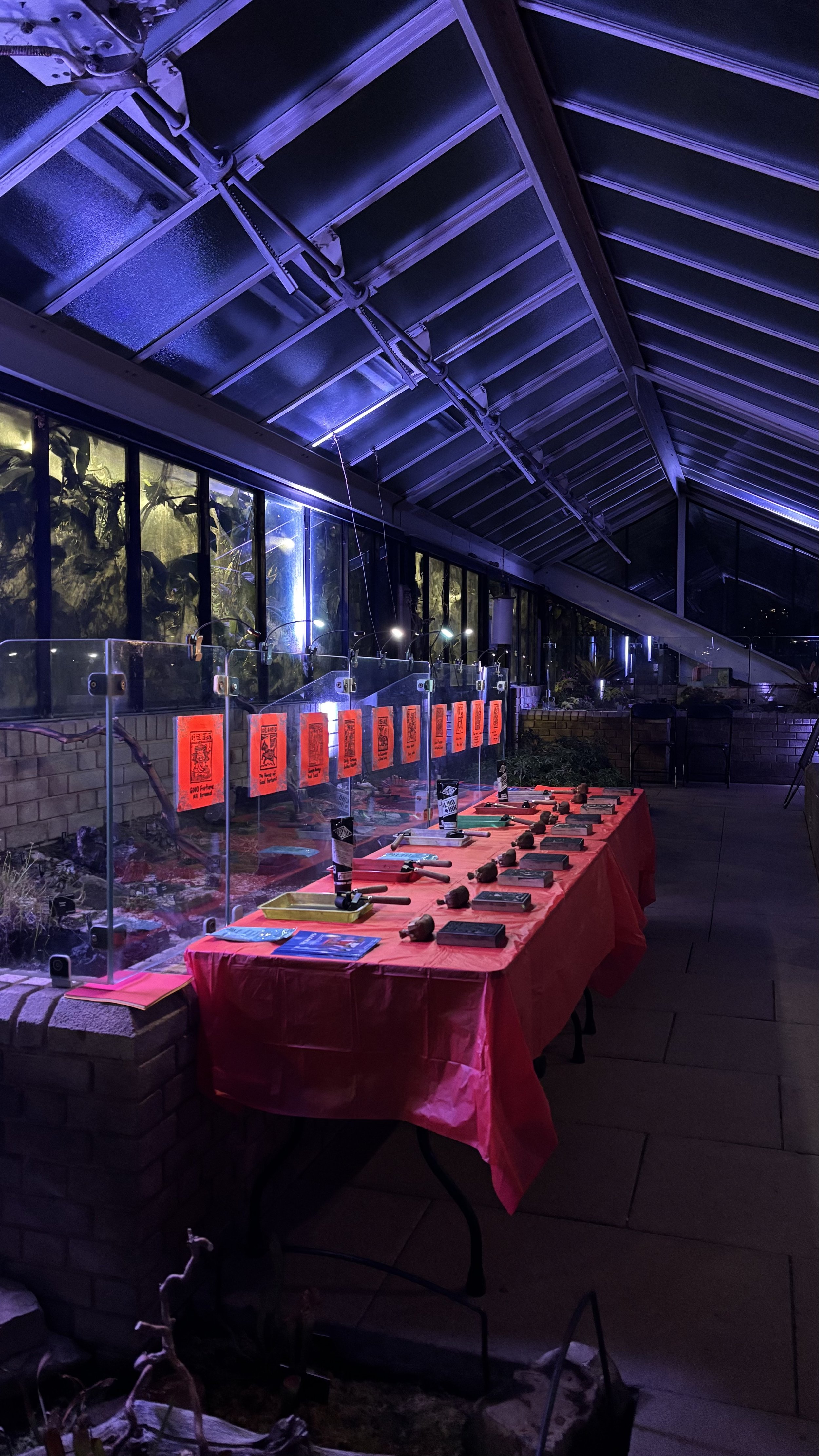
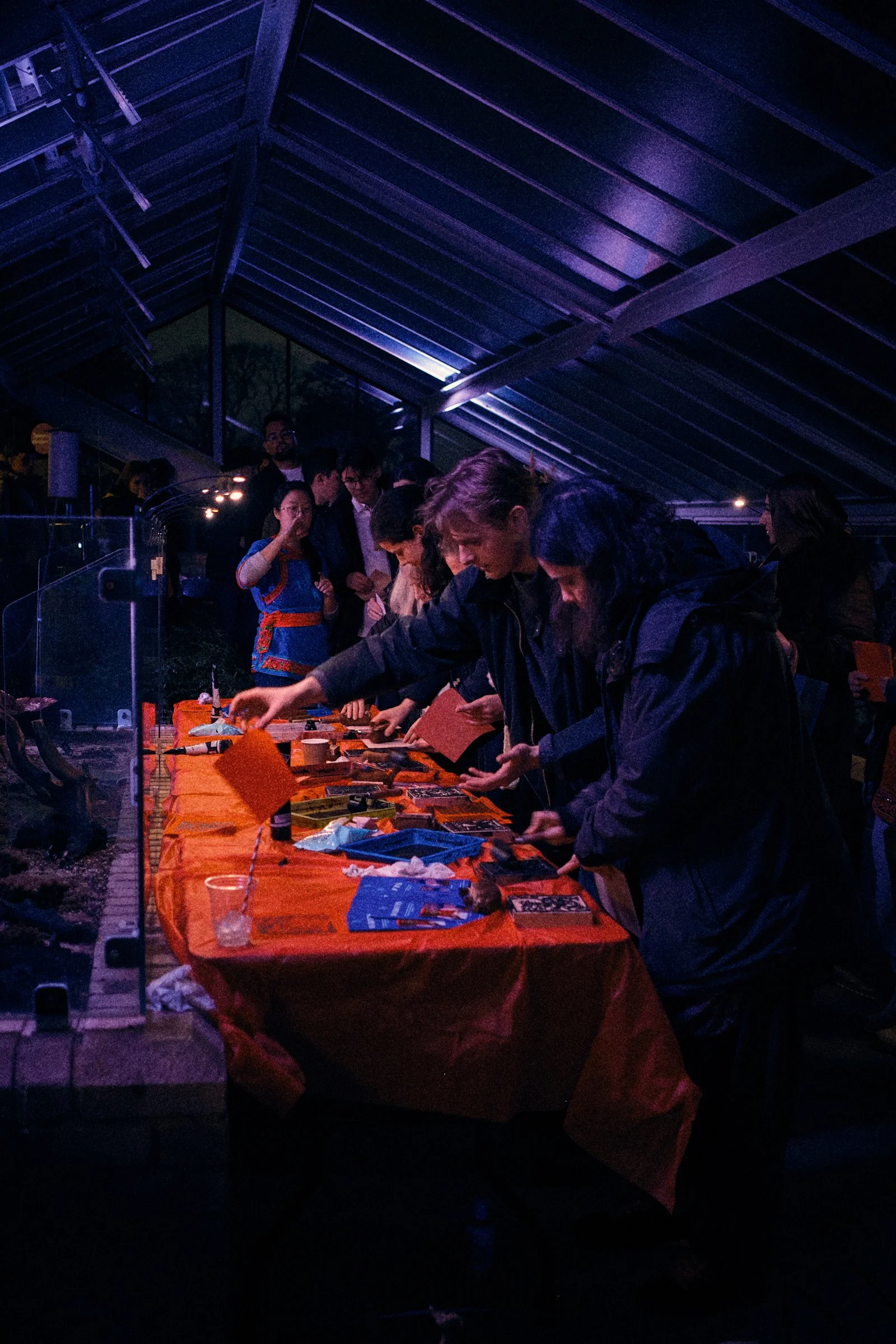
One of the highlights of the evening was our woodblock printing activity, where participants explored a historic printmaking technique widely used in East Asian visual culture. Visitors selected designs inspired by Chinese decorative motifs and created their own prints, learning about the tactile process of transferring ink from carved blocks onto paper.
The activity encouraged participants to slow down, experiment, and appreciate the craftsmanship behind traditional printing methods.
Culture Catwalk
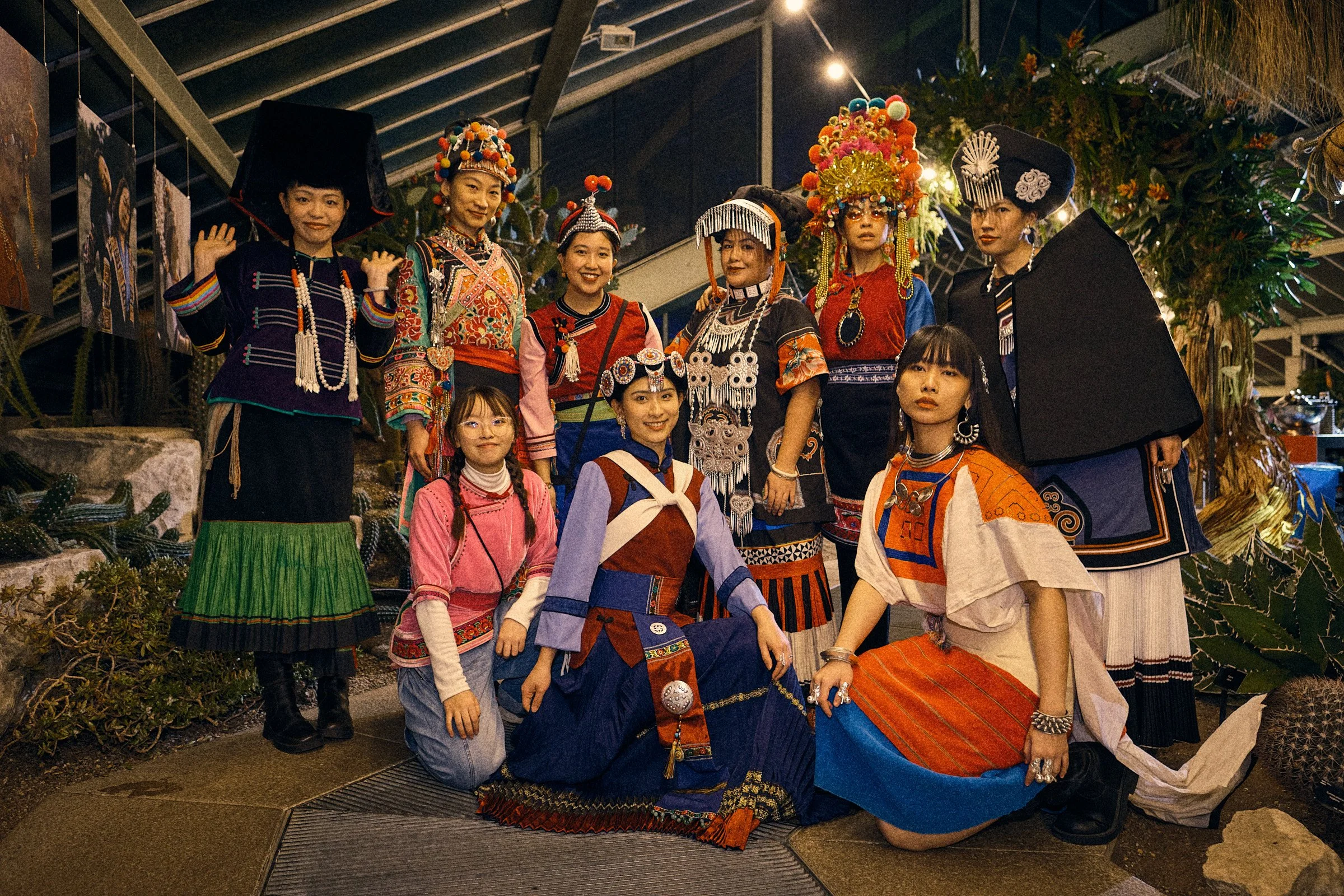
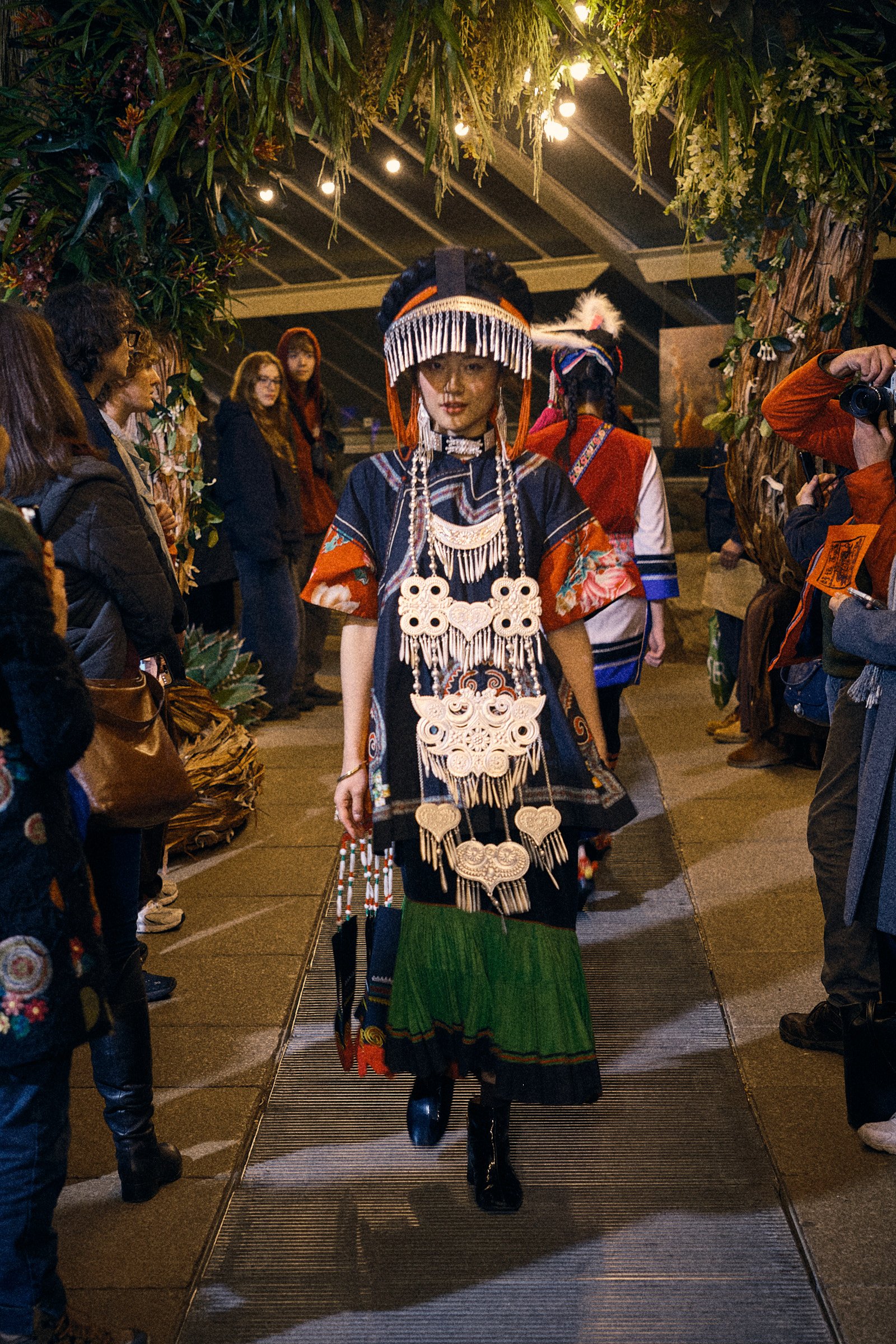
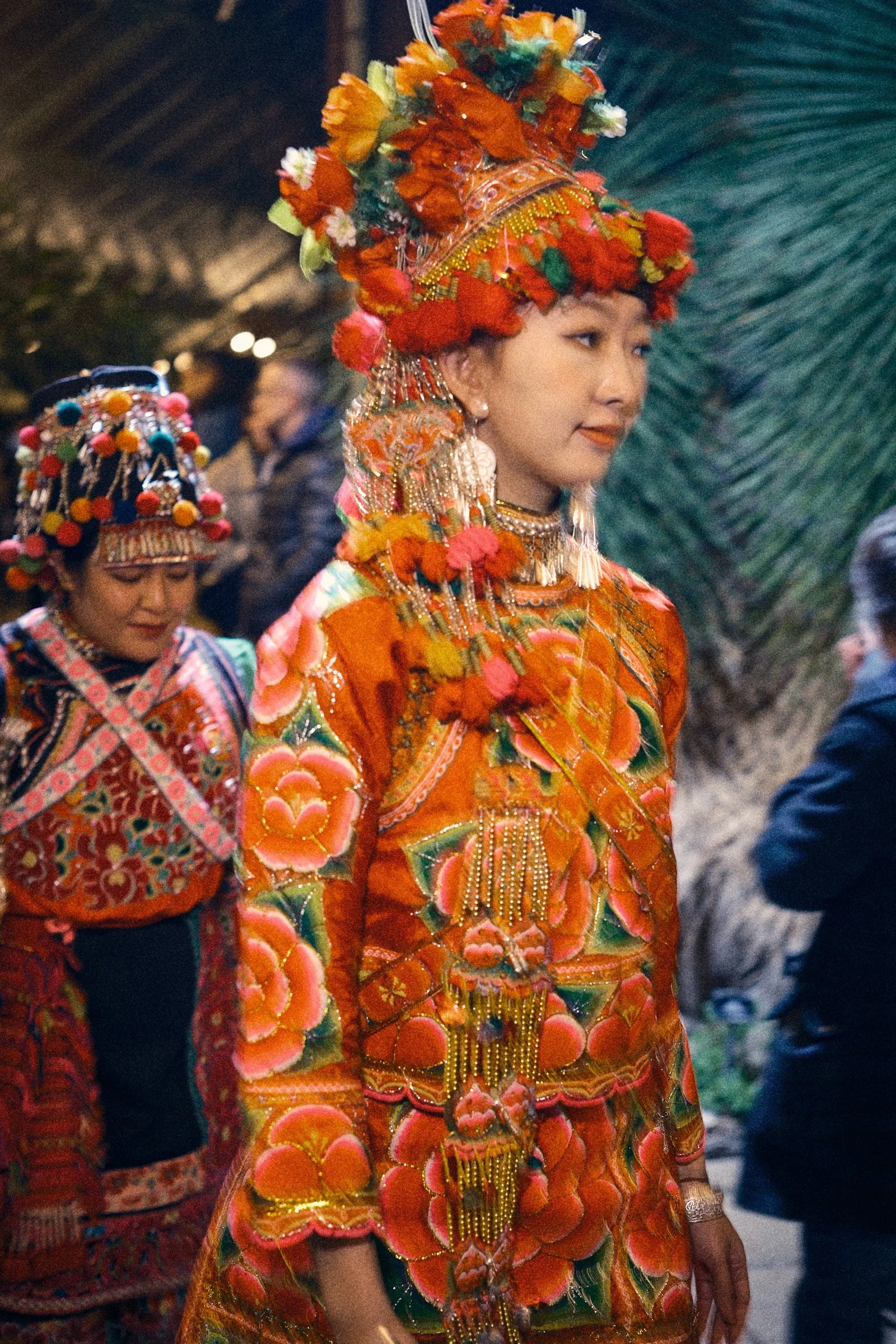
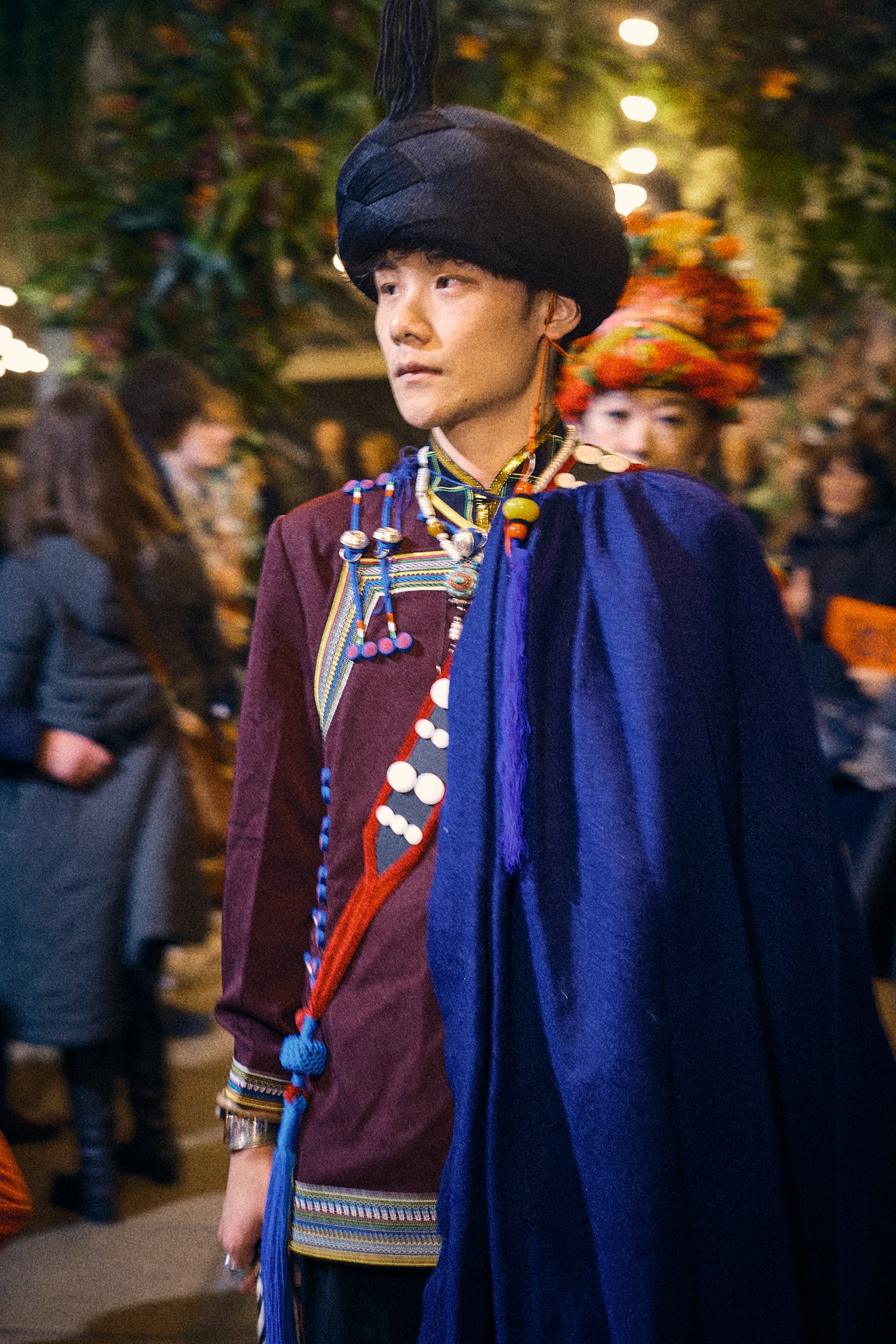
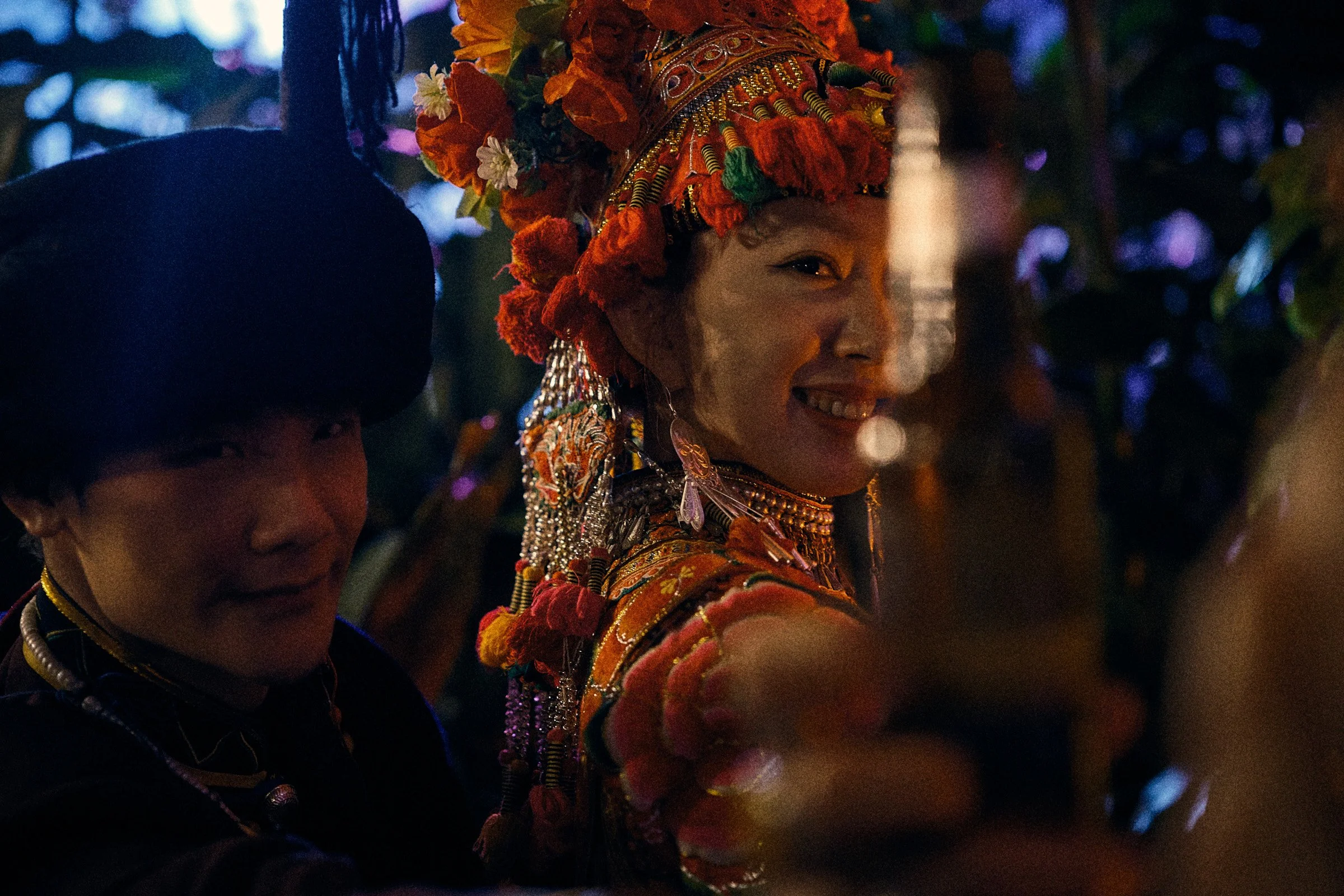
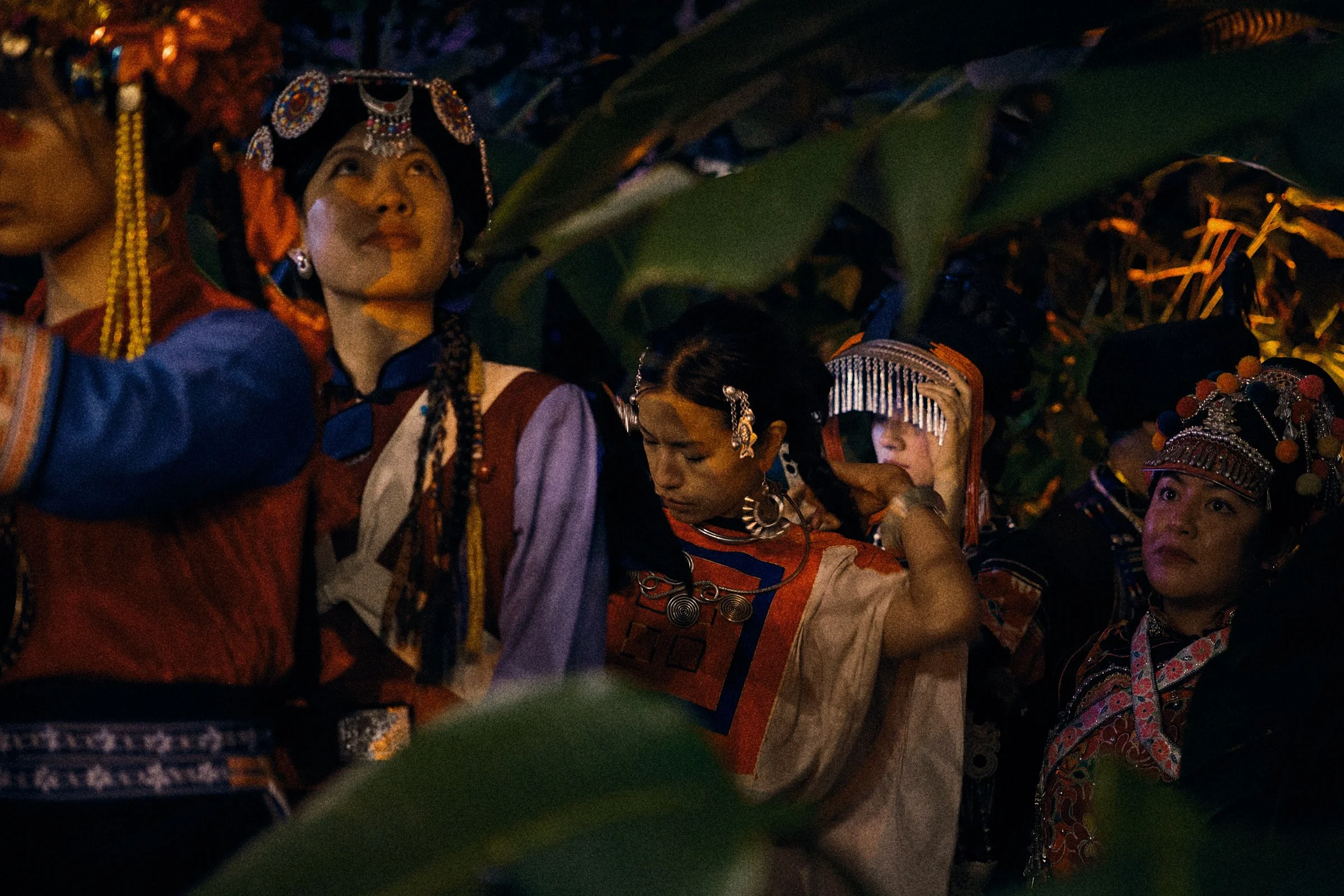
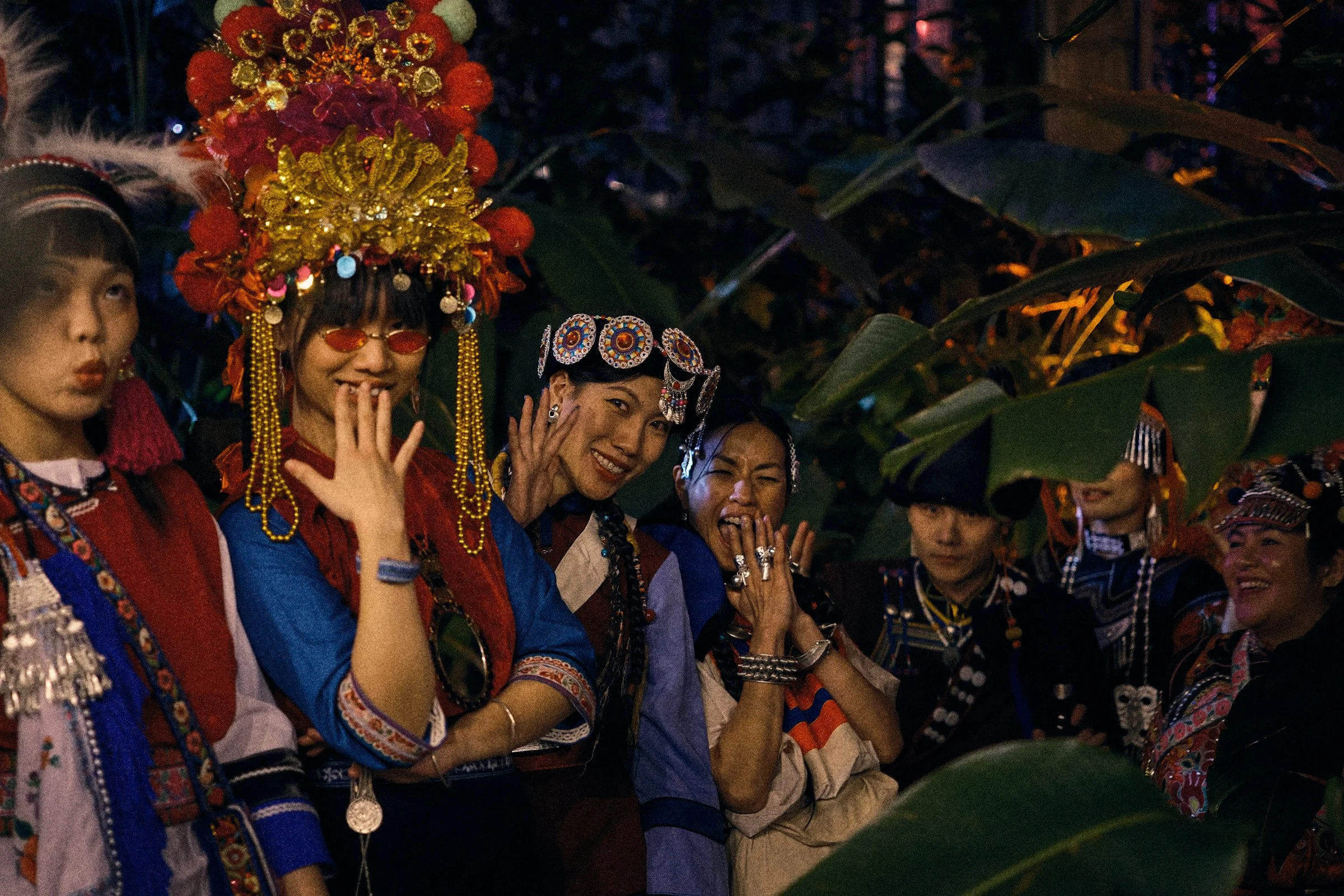
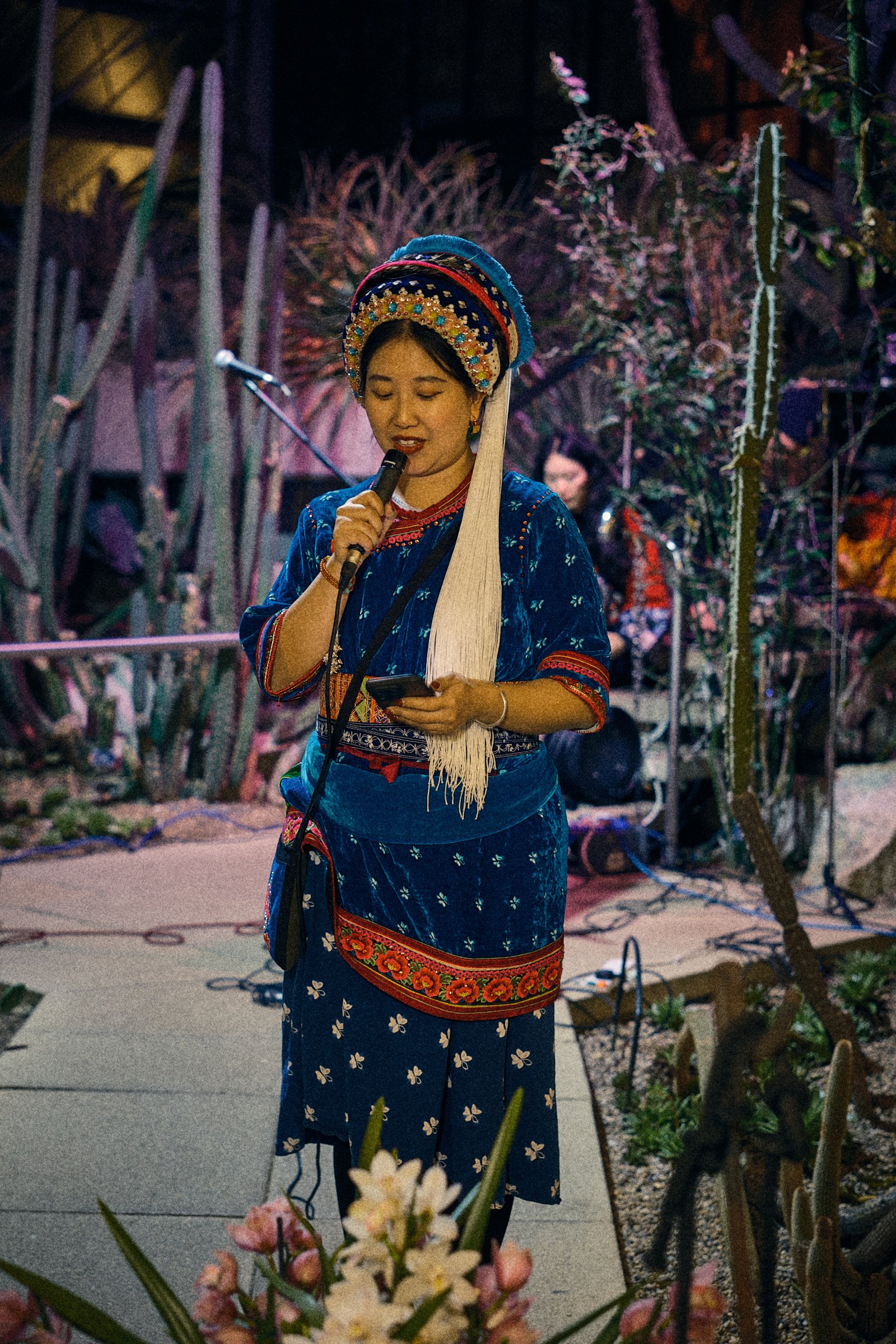
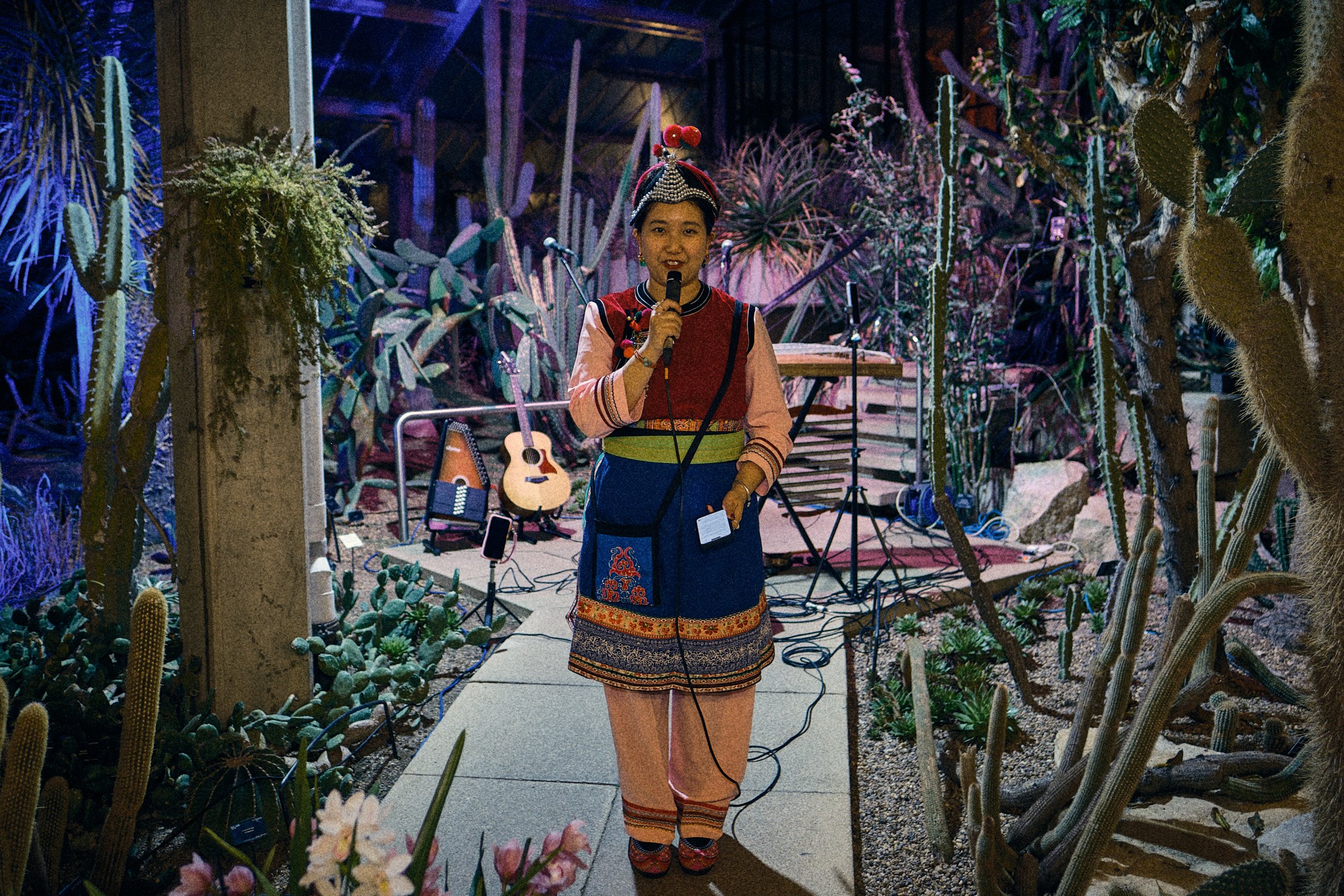
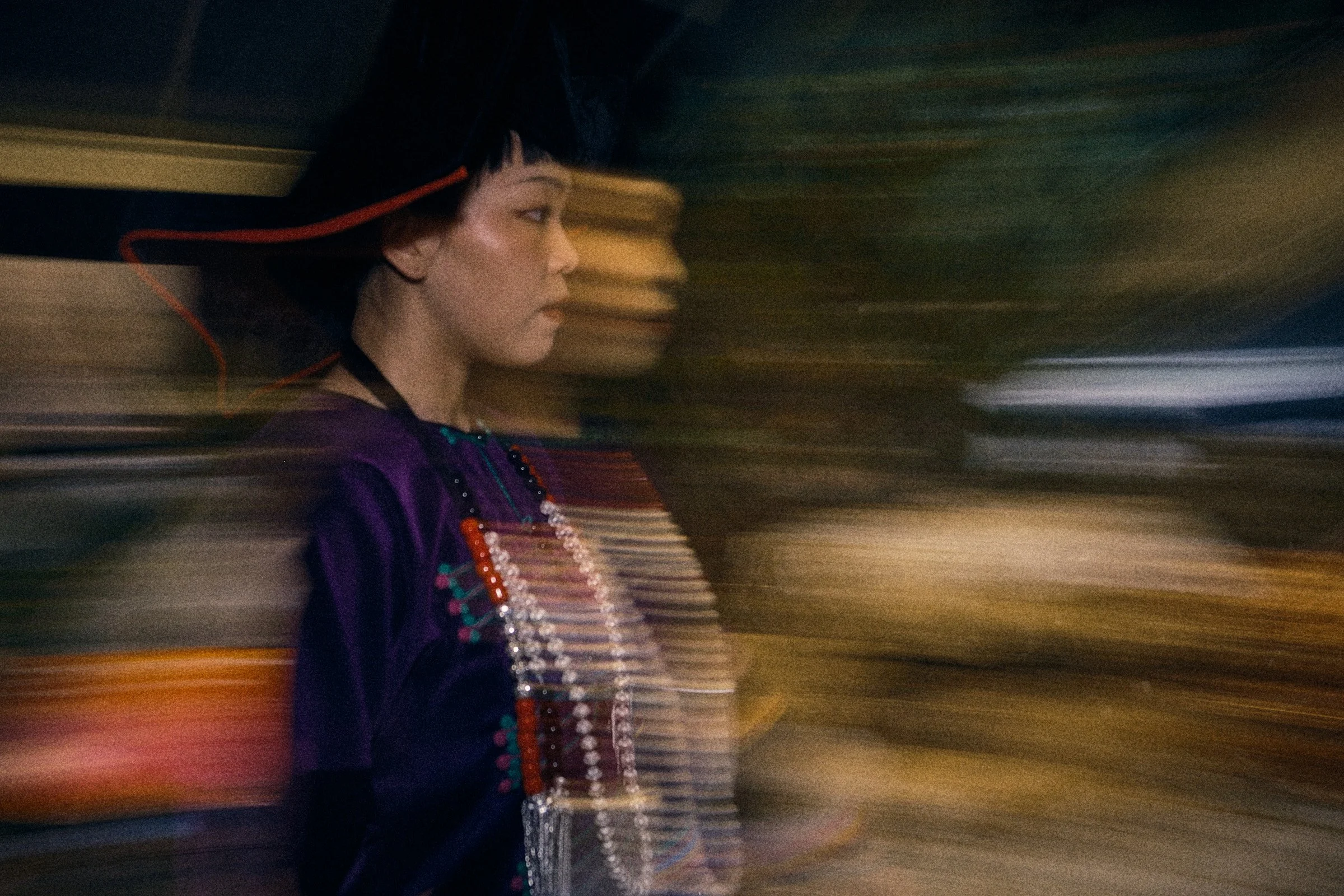
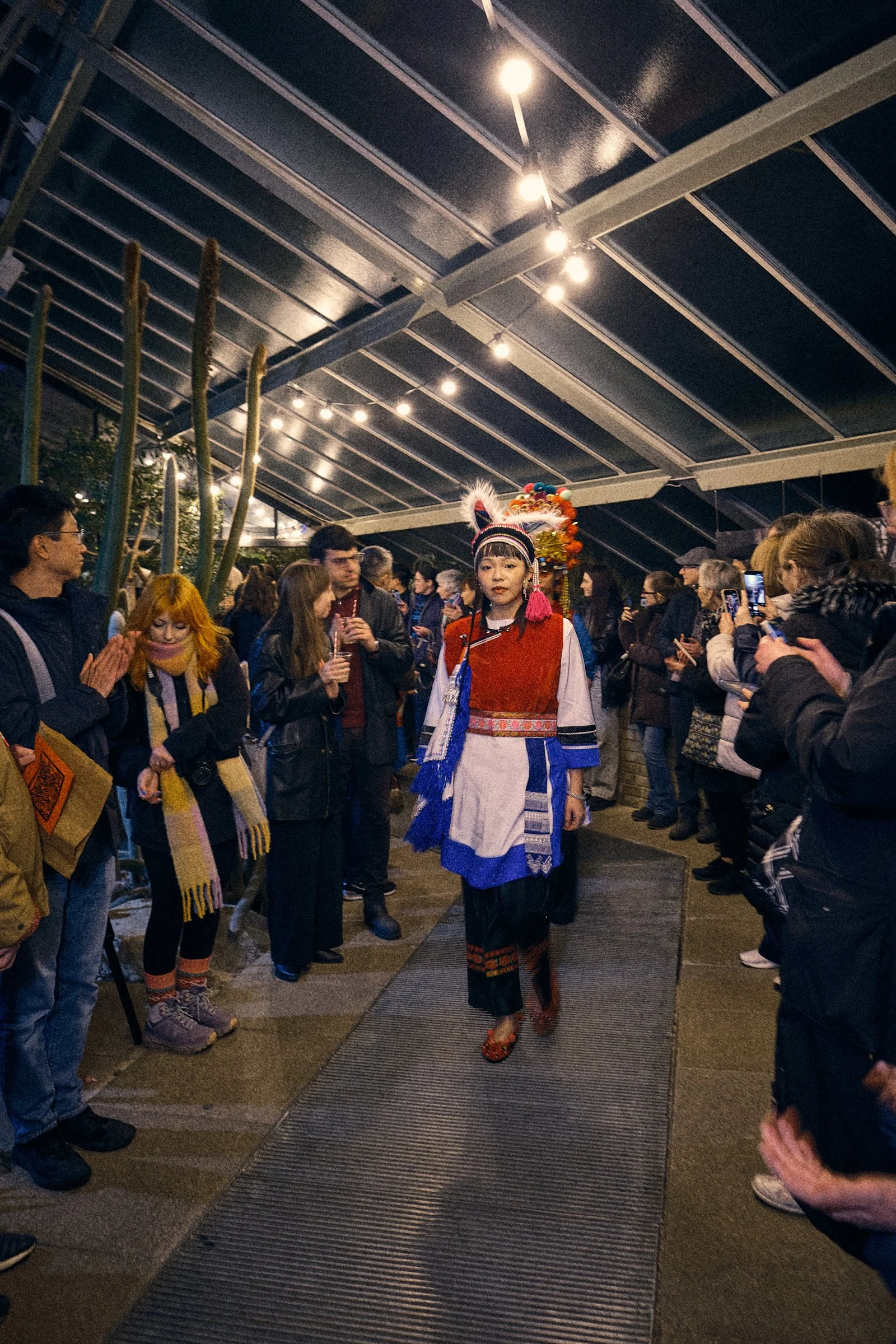
Another memorable moment of the evening was the Culture Catwalk, a lively cultural showcase that brought together fashion, craft, and performance. Participants presented garments and visual elements inspired by Chinese cultural aesthetics, turning the garden space into a celebratory platform for cultural expression.
Catwalk Yunnan Minority Culture Outfit Review
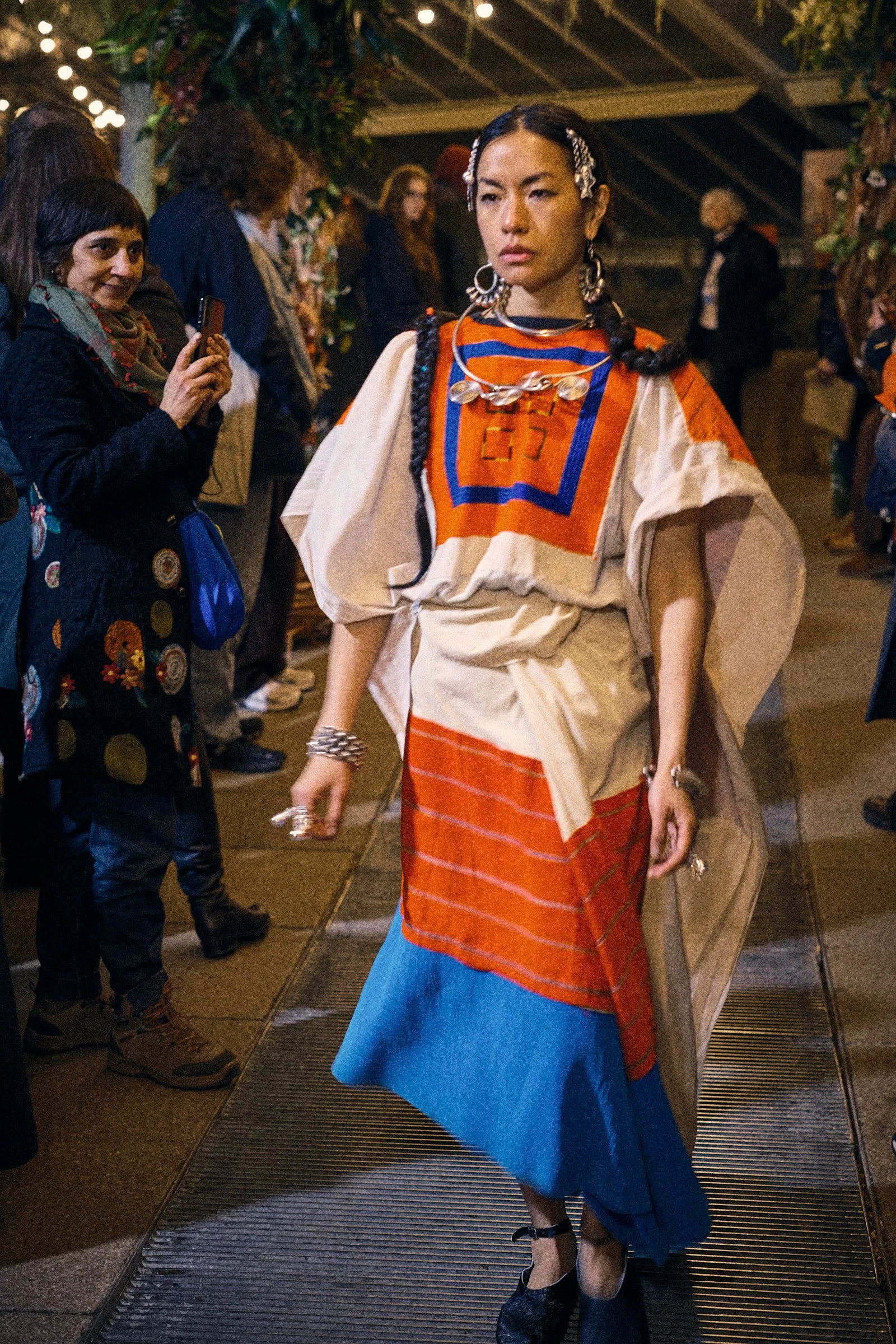
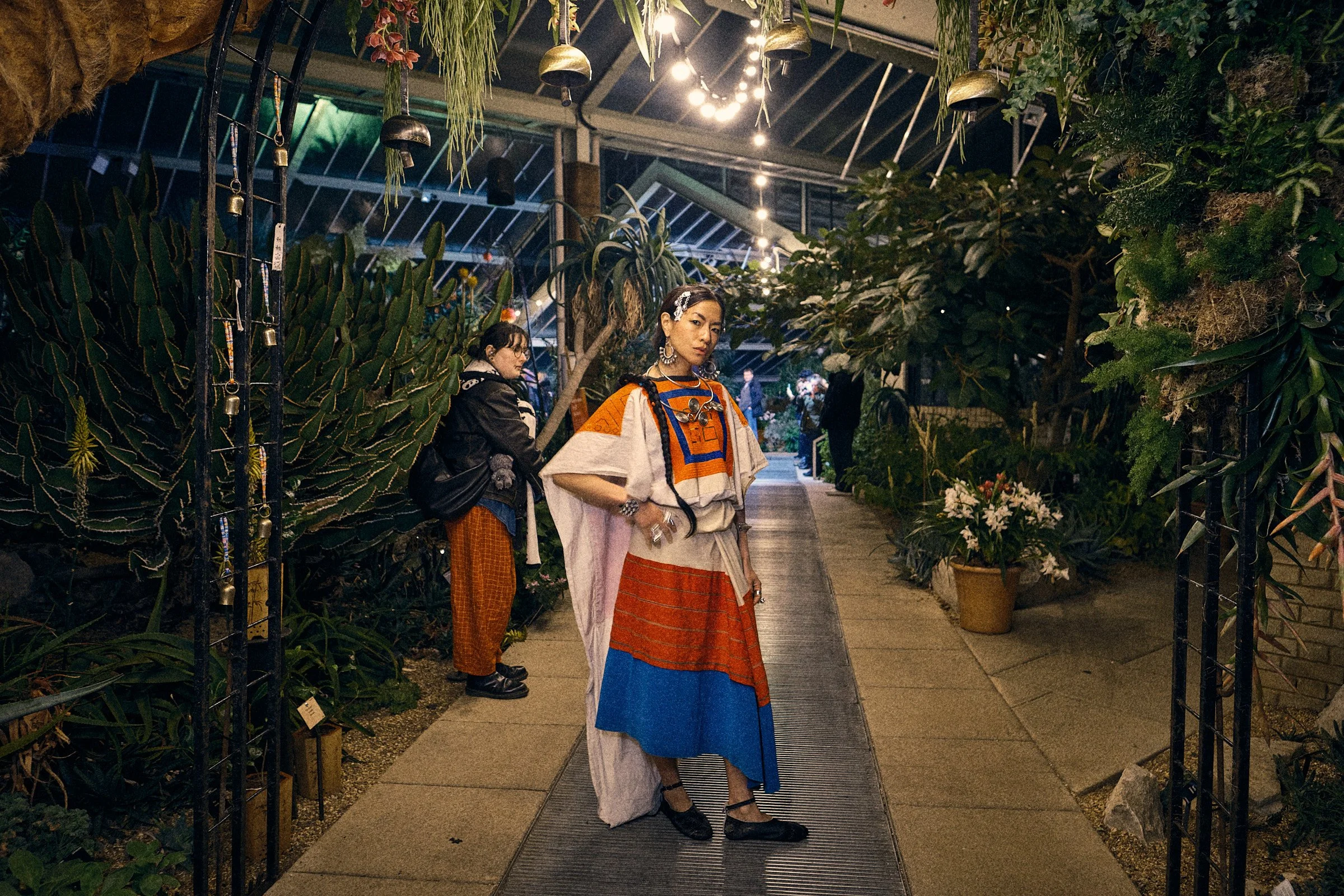
Yunnan Xun Dian Yi 寻甸彝族
The traditional dress of the Yi people in Xundian, Yunnan, reflects a deep connection between identity, environment, and cultural memory. Characterised by bold silhouettes and intricate hand wool embroidery, these garments are often made from handwoven cotton and decorated with vivid geometric motifs. The use of strong contrasting colours—such as blue, red, and bright accents—creates a striking visual language that is both expressive and symbolic.
The use of strong contrasting colours—such as black, red, and bright accents—creates a striking visual language that is both expressive and symbolic.
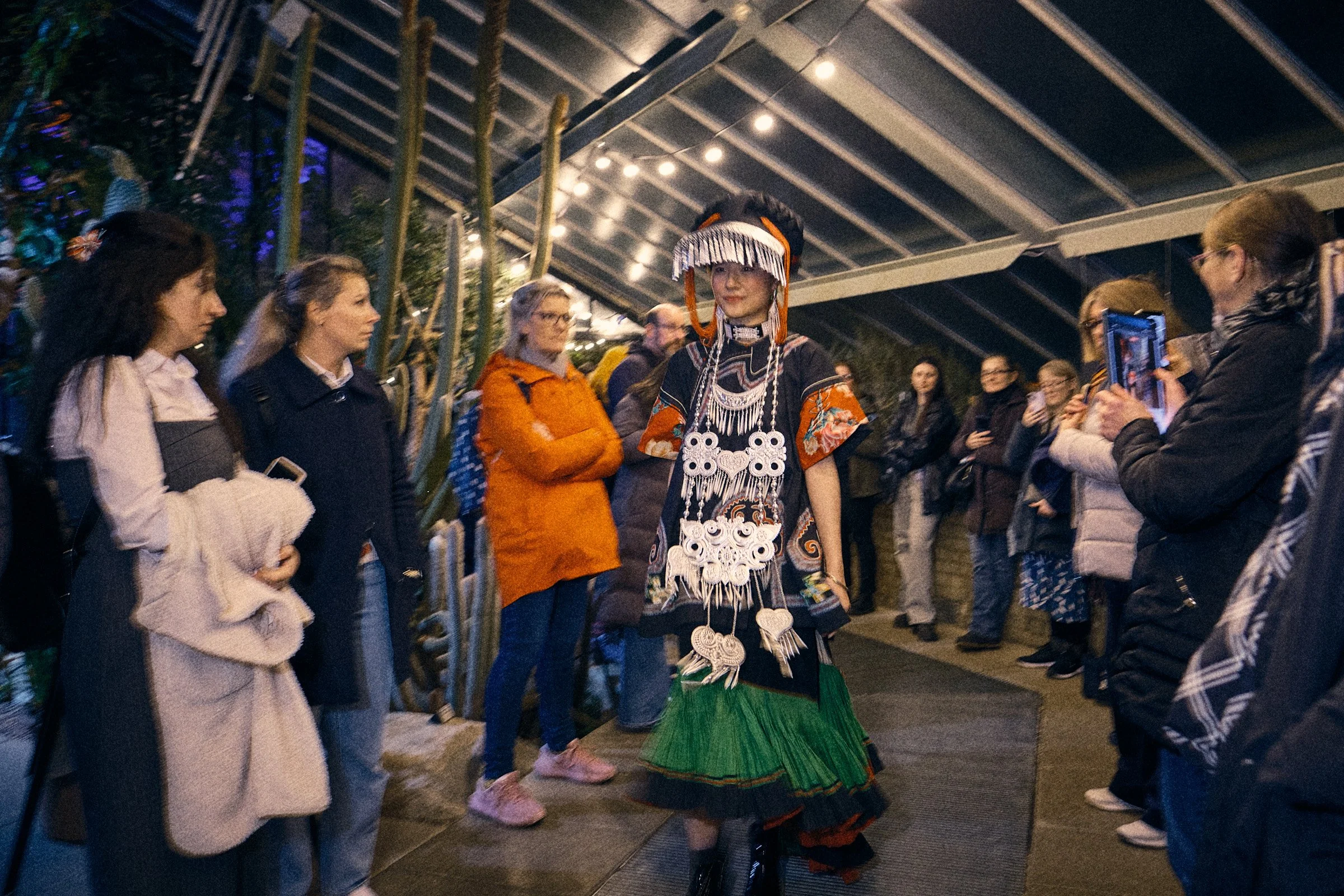
Liangshan Yi Female凉山彝族女装
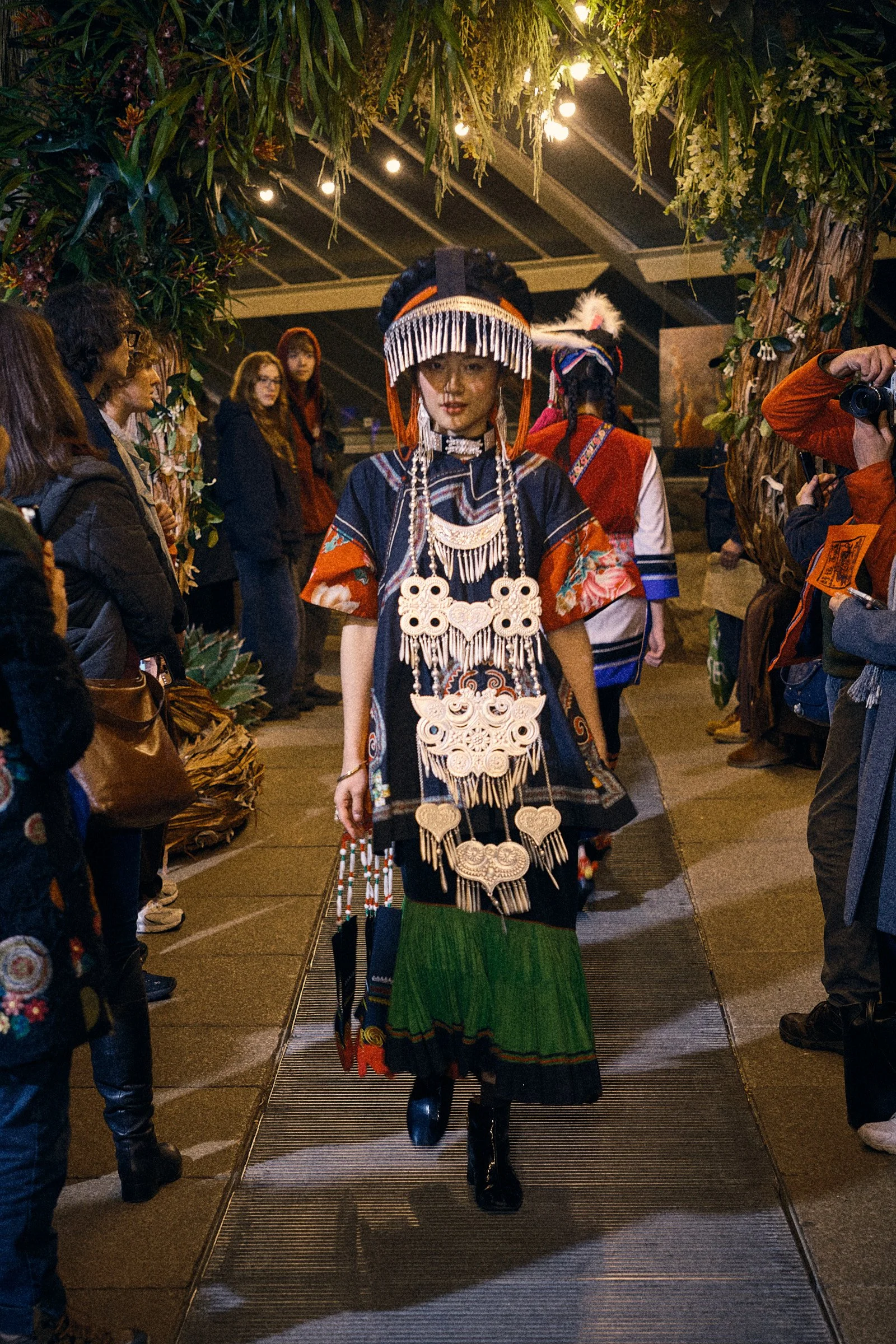
The traditional dress of Yi women from Liangshan, southwestern China, is defined by its bold structure, dark-toned fabrics, and striking use of colour and ornament. Typically made from black or deep indigo cloth, the outfit is accented with bright trims and embroidered details that highlight movement and form.
A distinctive feature is the layered silver necklace, often worn across the chest. These ornaments are not only decorative but also carry cultural meaning, symbolising protection, status, and beauty. The weight and presence of silver reflect both craftsmanship and social identity.
Together, the garment and jewellery express strength, elegance, and a deep connection to Yi heritage and tradition.
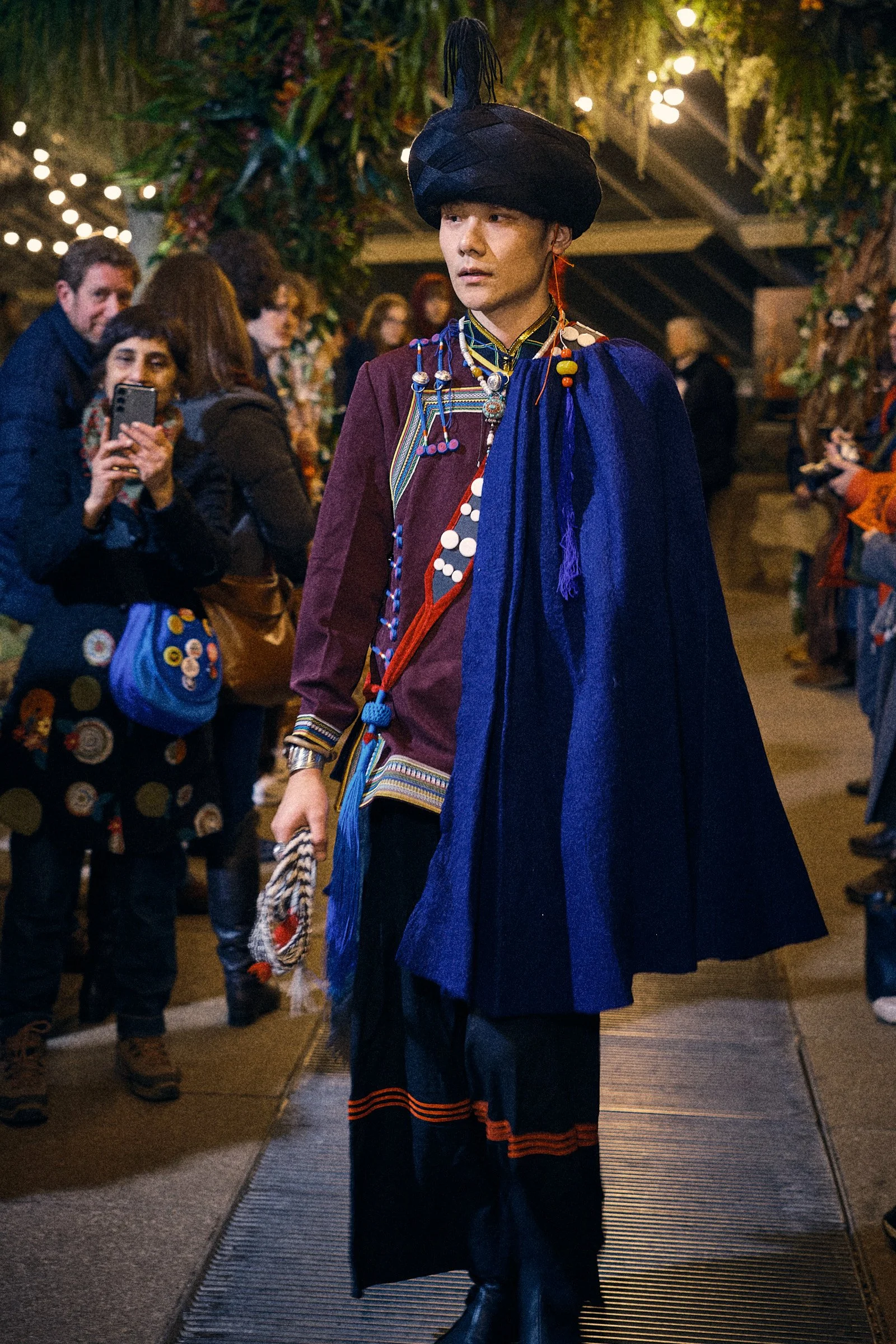
Liangshan Yi Male 彝族
The traditional dress of Yi men from Liangshan, southwestern China, is both functional and symbolic, shaped by a mountainous environment and a strong warrior heritage. Typically made from dark wool or indigo-dyed fabric, the outfit is designed for warmth, movement, and durability.
A defining element is the indigo wool cape, worn draped over the shoulders, offering protection against the cold while creating a powerful silhouette. Paired with this is the hero sash that signifies strength, identity, and cultural pride.
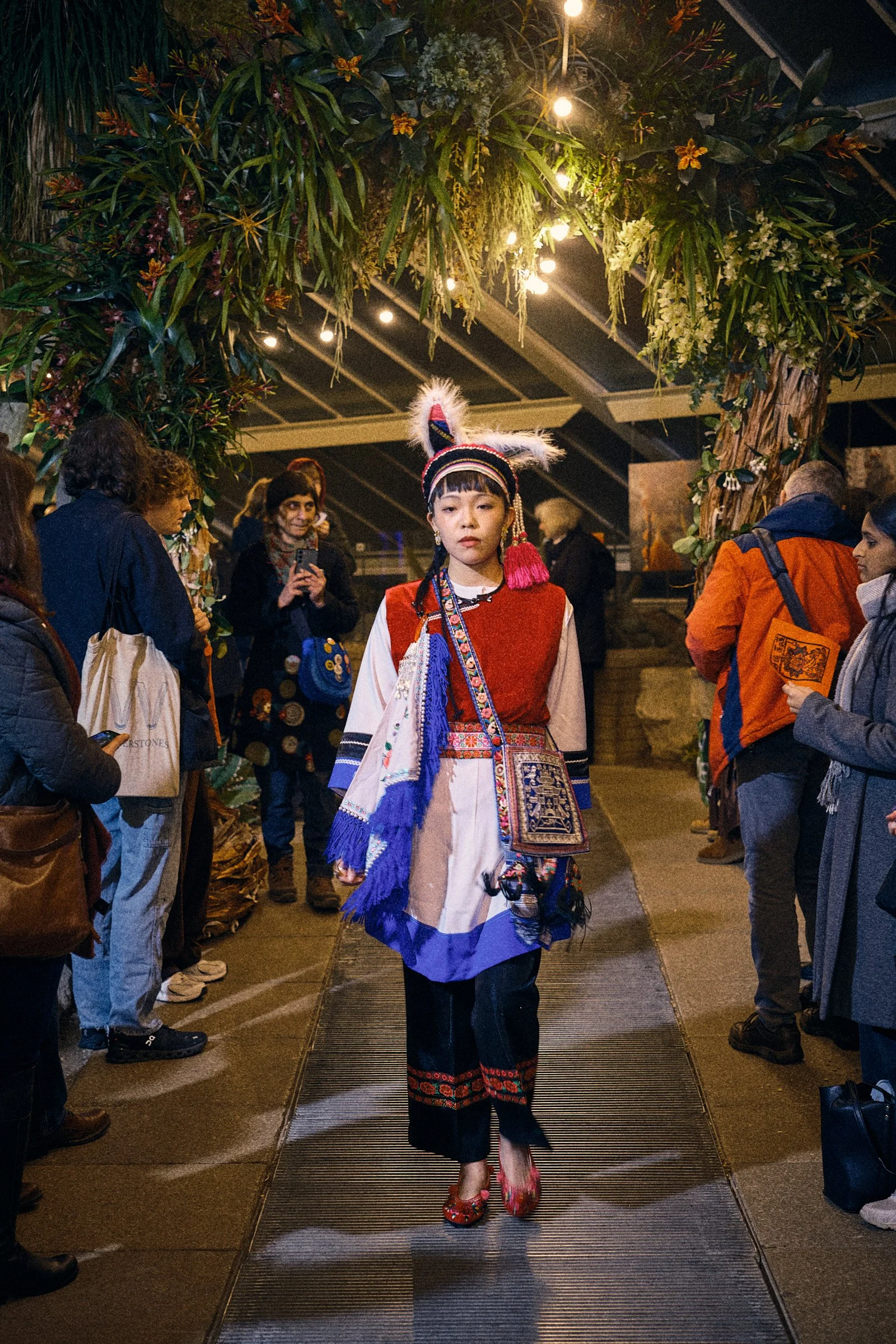
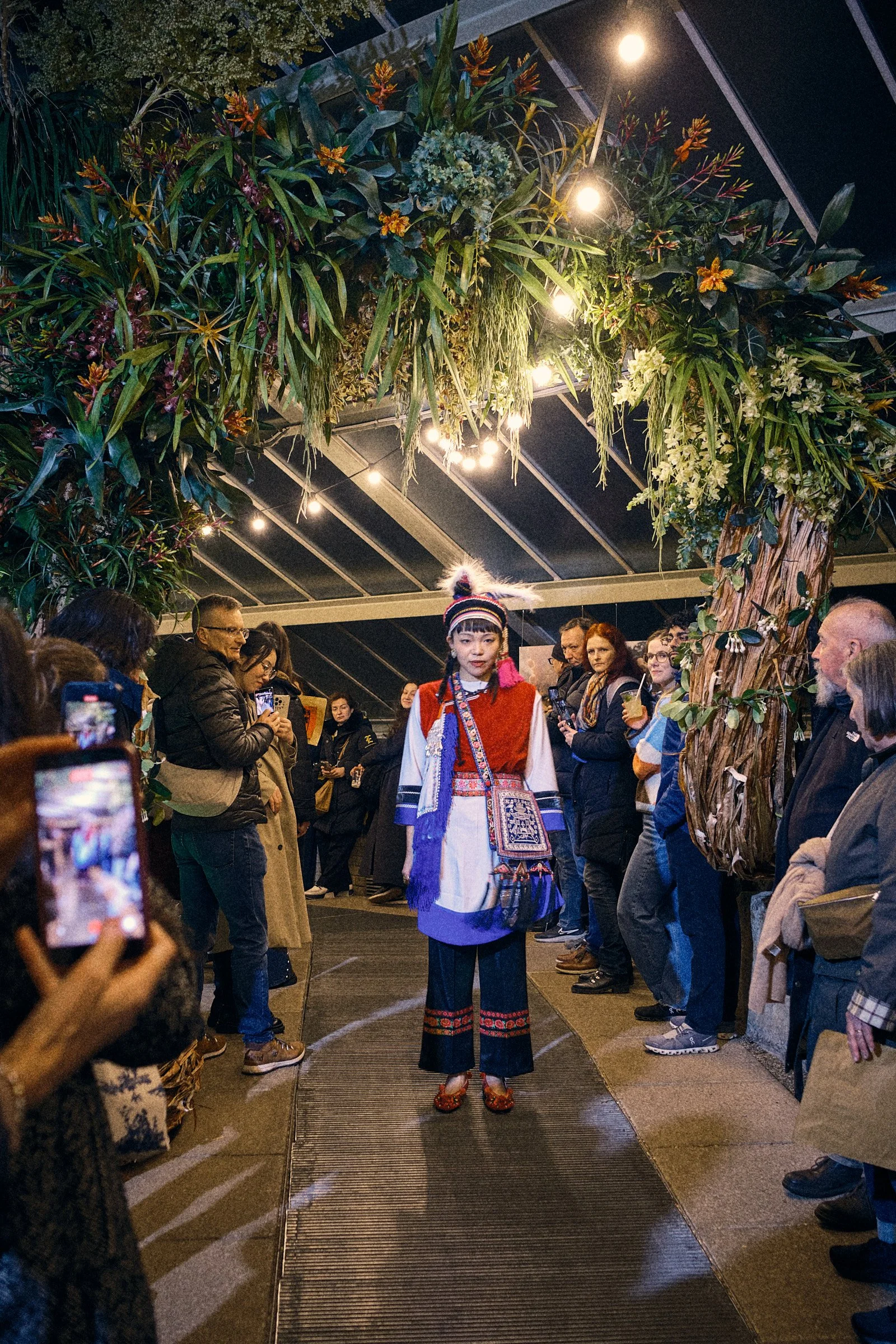
Jianchuan Bai 剑川白族
The rabbit ear hat worn by Bai women in Jianchuan, Dali, is a distinctive and playful element of traditional dress. Characterised by its soft, upright “ears,” the hat is both decorative and symbolic, often associated with youth, vitality, and feminine grace.
Typically made from dark fabric and adorned with delicate embroidery or colourful trims, the shape is said to be inspired by natural forms and local folklore. In some interpretations, the upright ears reflect alertness and liveliness, while also adding movement and charm to the wearer’s silhouette.
More than an accessory, the rabbit ear hat reflects the Bai people’s sensitivity to nature, aesthetics, and identity, forming an integral part of regional cultural expression.
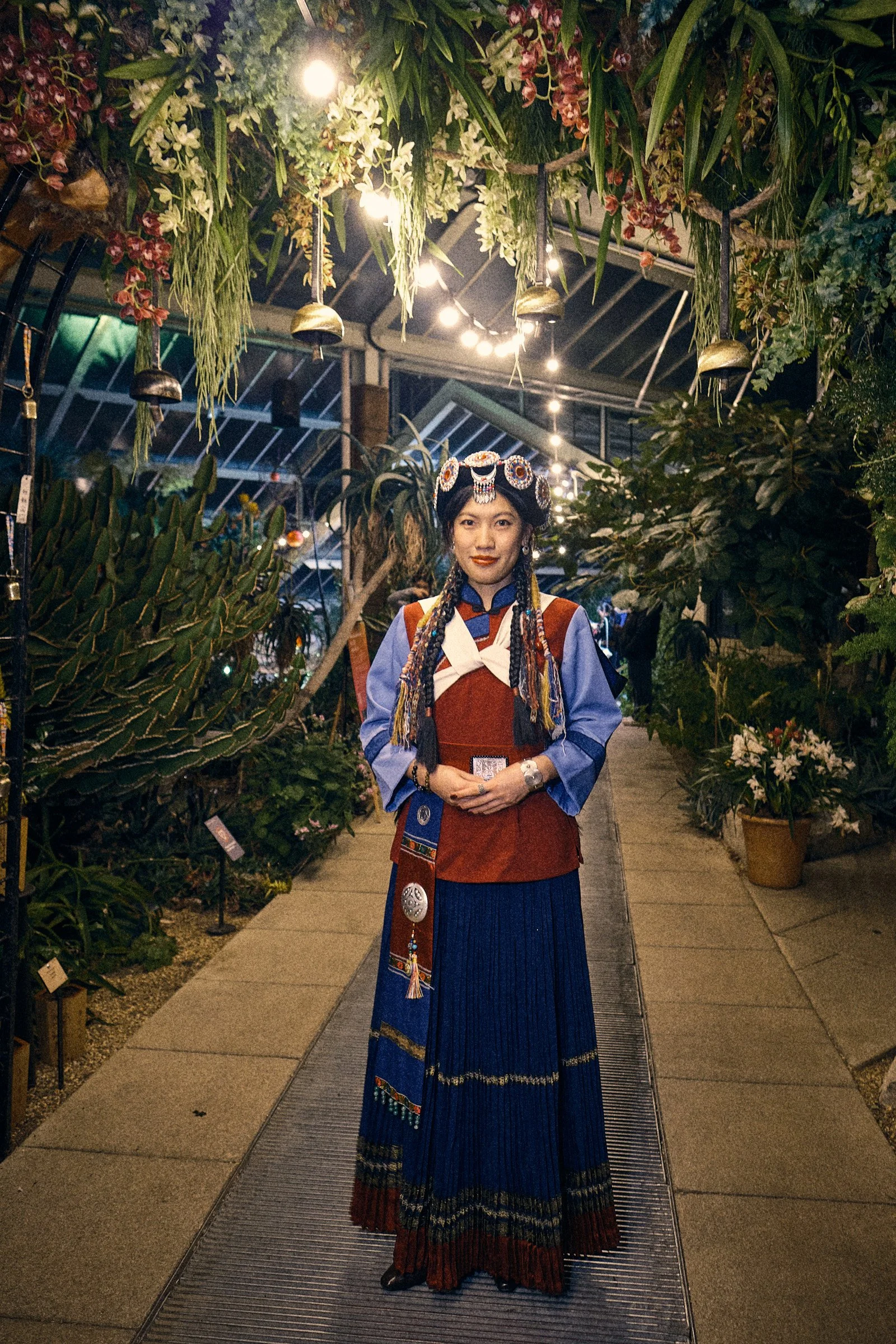
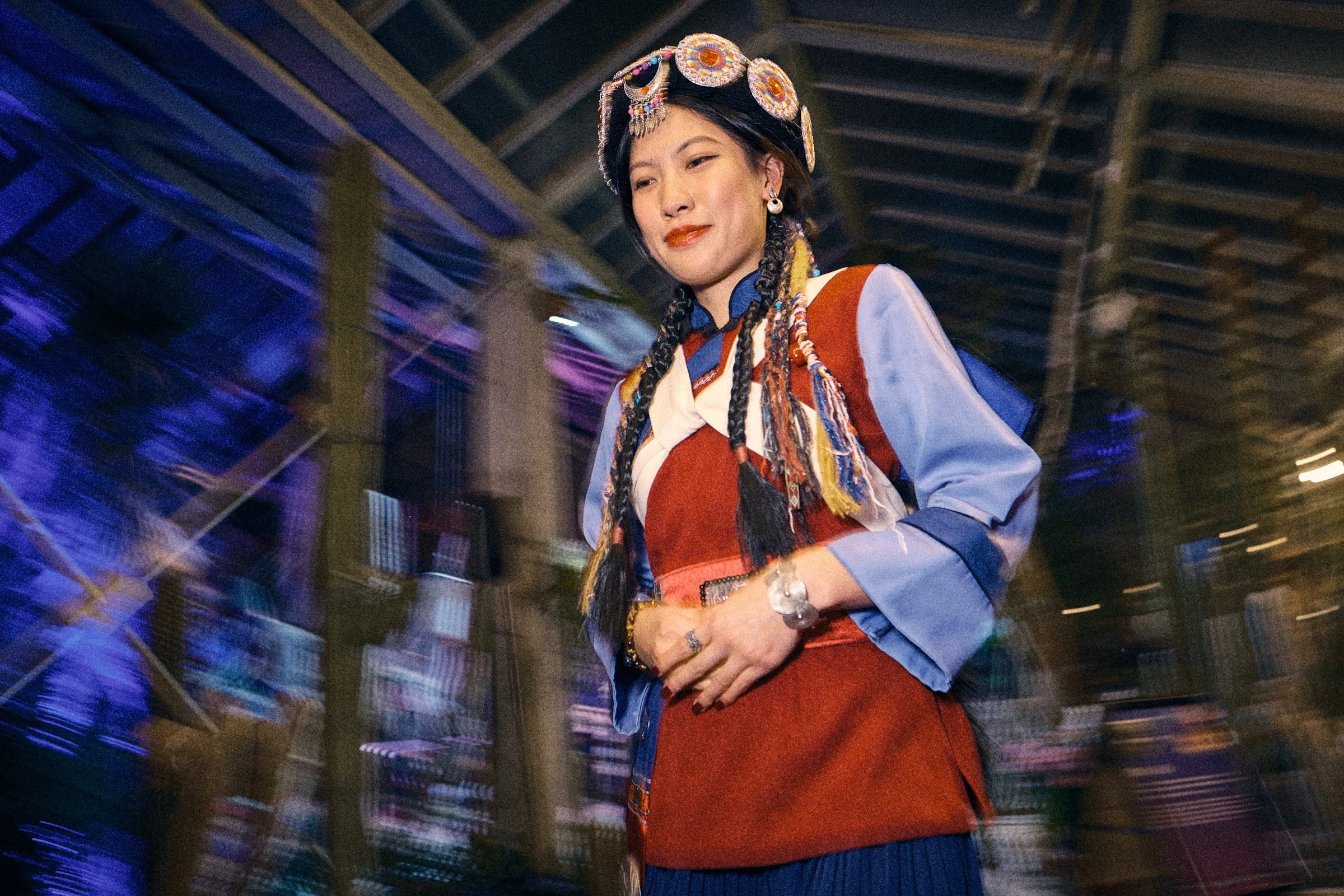
Naxi 纳西族
The “Píxīng Dàiyuè” (literally “carrying stars and wearing the moon”) is a distinctive cape worn by Naxi women in Lijiang, southwestern China. Made from dark wool or felt, the cape is typically decorated with seven circular motifs across the back, symbolising stars, and a crescent shape representing the moon.
This design reflects the Naxi people’s close relationship with nature and time, evoking the rhythm of working from dawn to dusk. Traditionally worn by women, the cape represents diligence, resilience, and harmony with the natural world.
Both practical and symbolic, it protects against the mountain climate while expressing a poetic cosmology embedded in everyday life.
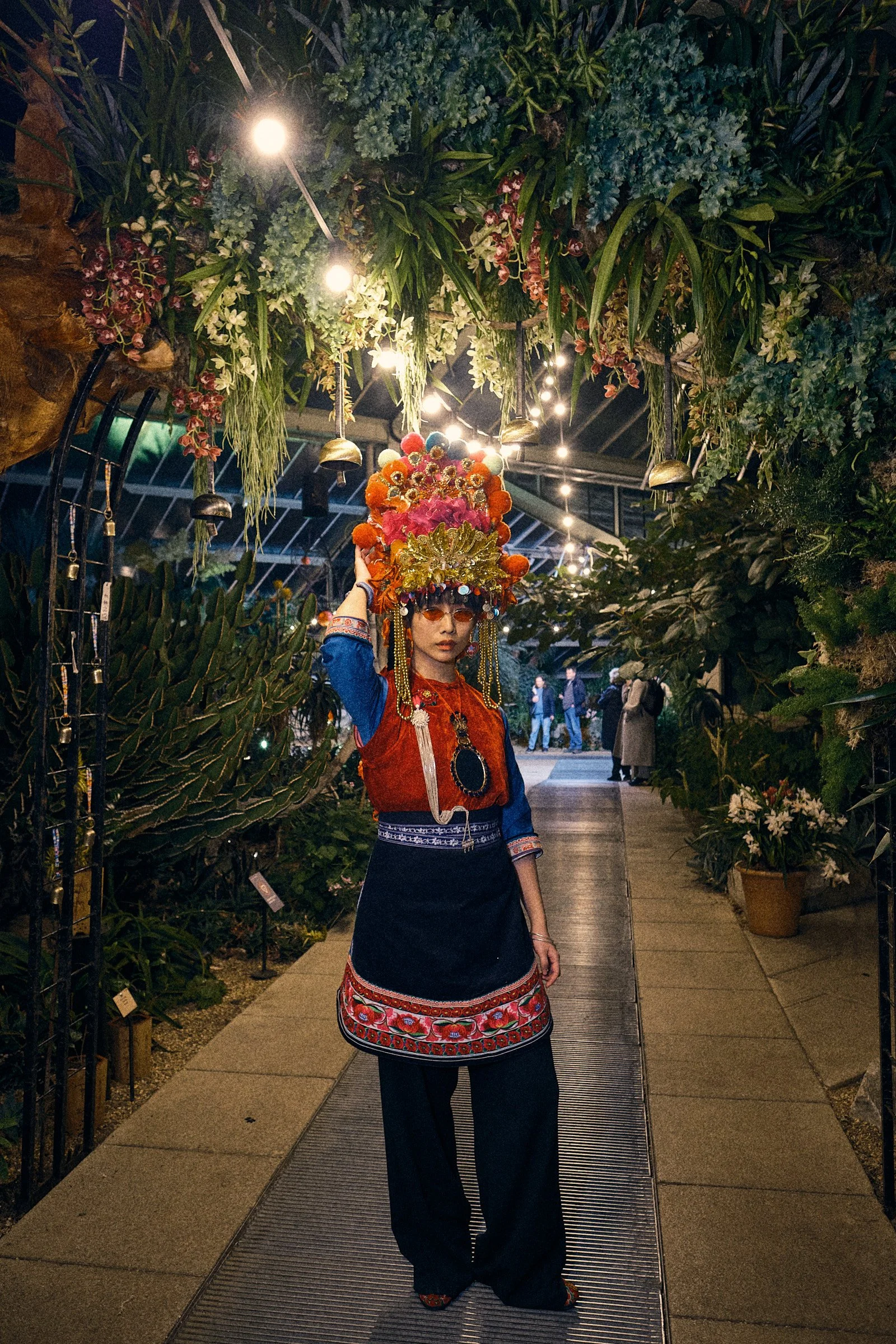
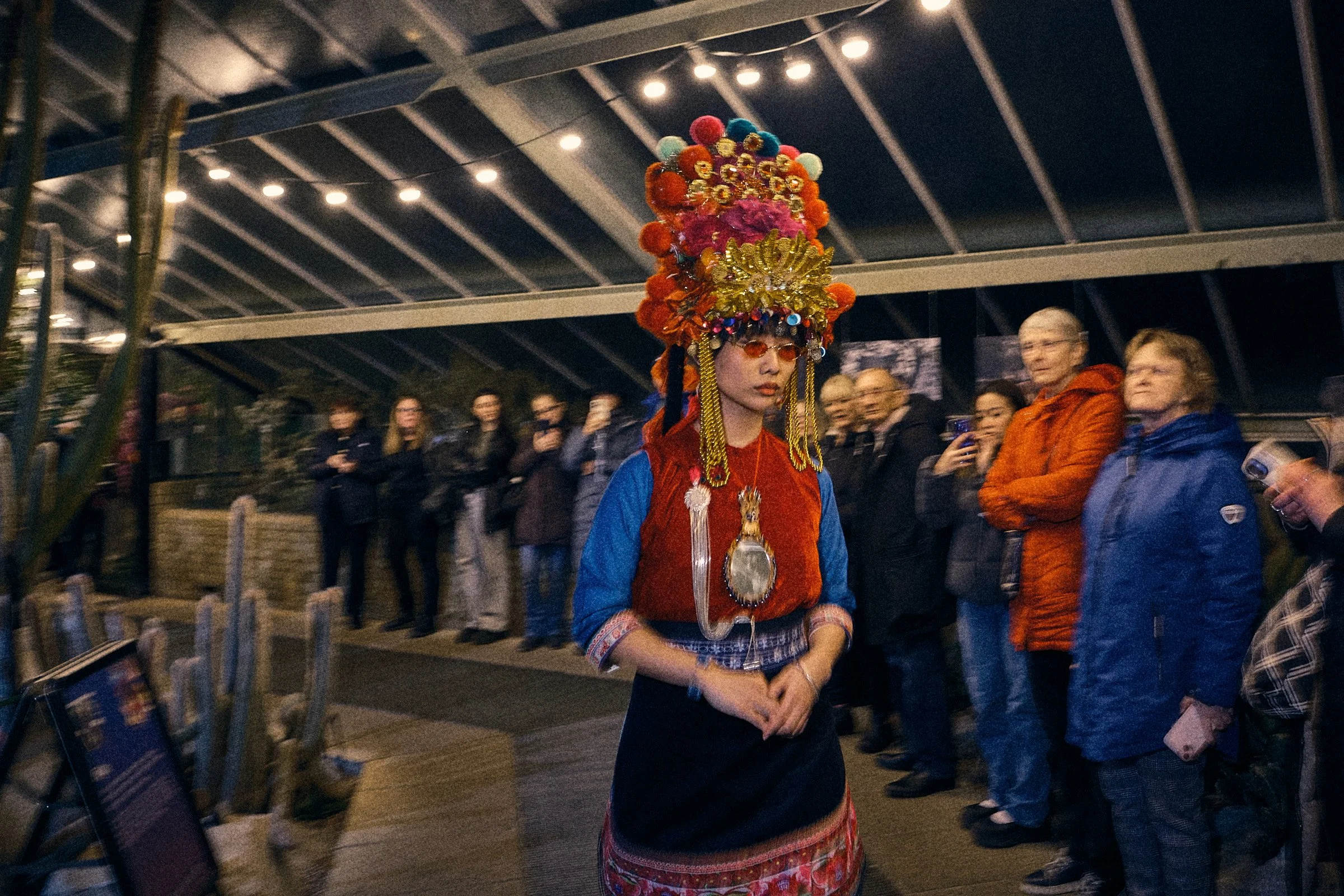
Zhouchen Bai Bridal outfit
周城白族新娘
The traditional bridal dress of Bai women in Zhoucheng, Dali, reflects elegance, symbolism, and a deep connection to local culture.
The headdress is a defining feature, bride’s friend will give her pom pom to put on her headdress, to wish her a good marriage. The bride also wears sunglass to cover her swelling eyes as she cried the night before leaving the family. The mirror on the chest to see the ward off the evil spirts.
Worn during weddings, the attire represents not only a personal transition, but also the continuity of family, community, and cultural tradition in Bai society.
Bulang 布朗族
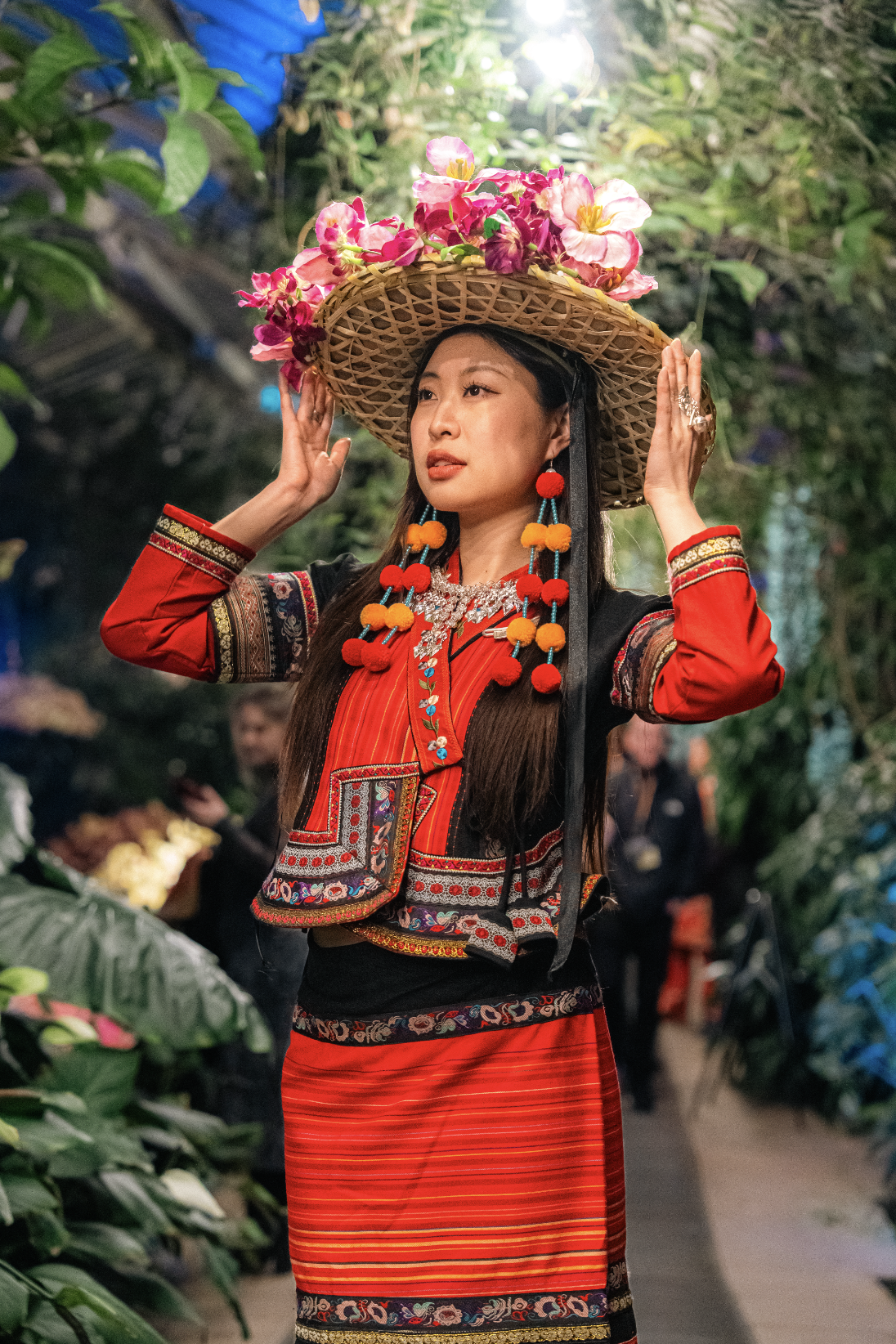
The traditional dress of the Bulang people, primarily found in Yunnan’s mountainous regions, reflects a close relationship with forest landscapes and agricultural life. Typically made from handwoven cotton, the garments feature red and black tones, creating a calm and grounded visual identity.
Bulang women’s clothing is often simple in structure, with subtle embroidered details and occasional flowers ornaments that add quiet elegance. The restrained use of colour and decoration reflects a cultural aesthetic rooted in balance, humility, and harmony with nature.
Closely associated with tea-growing traditions, Bulang dress embodies a way of life shaped by the land—where craftsmanship, daily labour, and cultural identity are deeply intertwined.
Weishan Dongshan Yi 巍山东山彝族
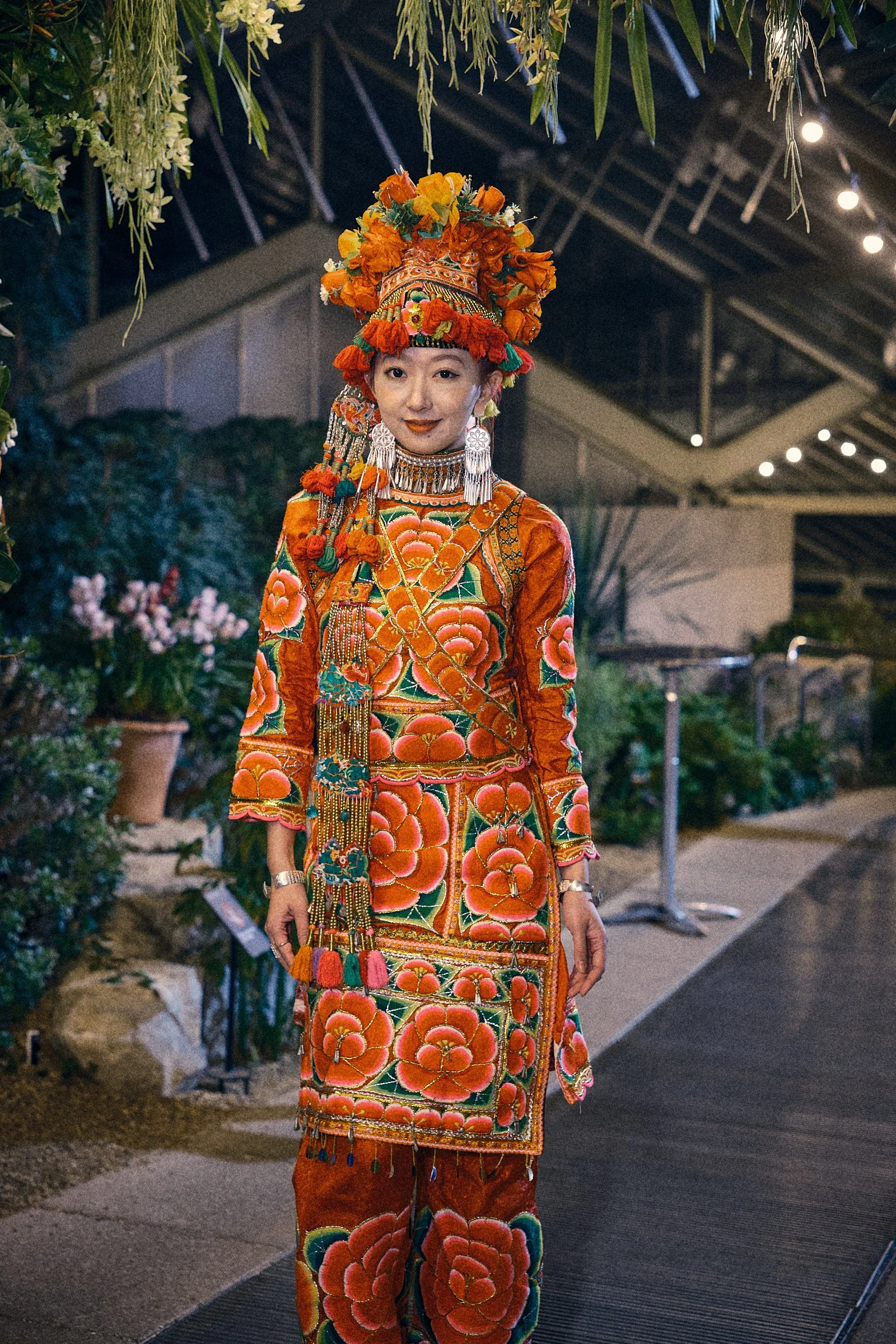
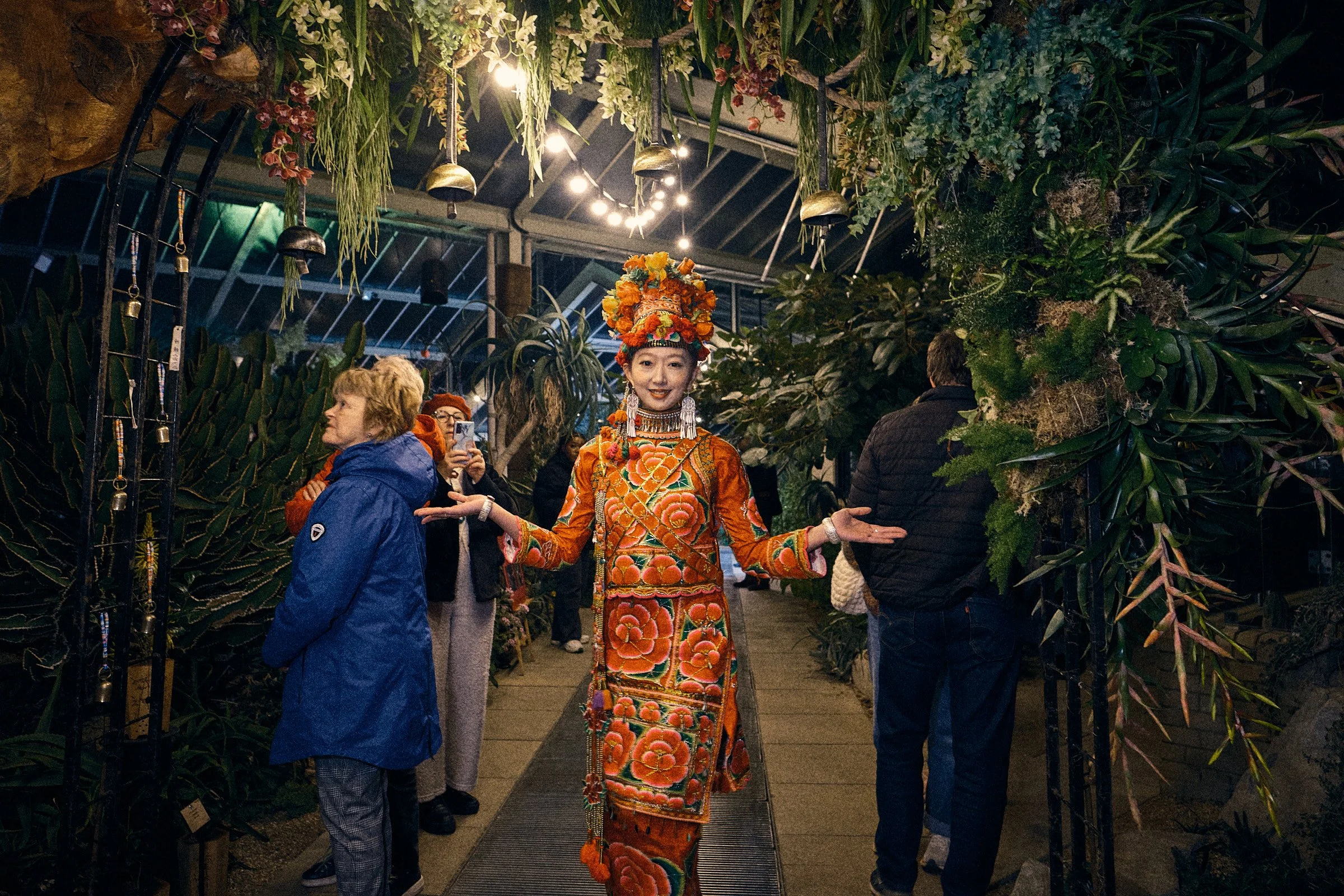
The traditional dress of the Dongshan Yi people in Weishan, Yunnan, is known for its bold colours, intricate embroidery, and strong visual identity. Women’s garments often feature richly decorated jackets and aprons, with detailed hand embroidery in bright contrasting tones such as red, yellow, and green against darker base fabrics.
Motifs are inspired by nature, ancestral symbols, and local beliefs, reflecting both aesthetic beauty and cultural meaning. Embroidery is traditionally created by hand, carrying knowledge passed down through generations.
Worn during festivals, daily life, and important life events, Dongshan Yi dress expresses a vibrant sense of identity—one that connects community, history, and the surrounding mountain landscape.
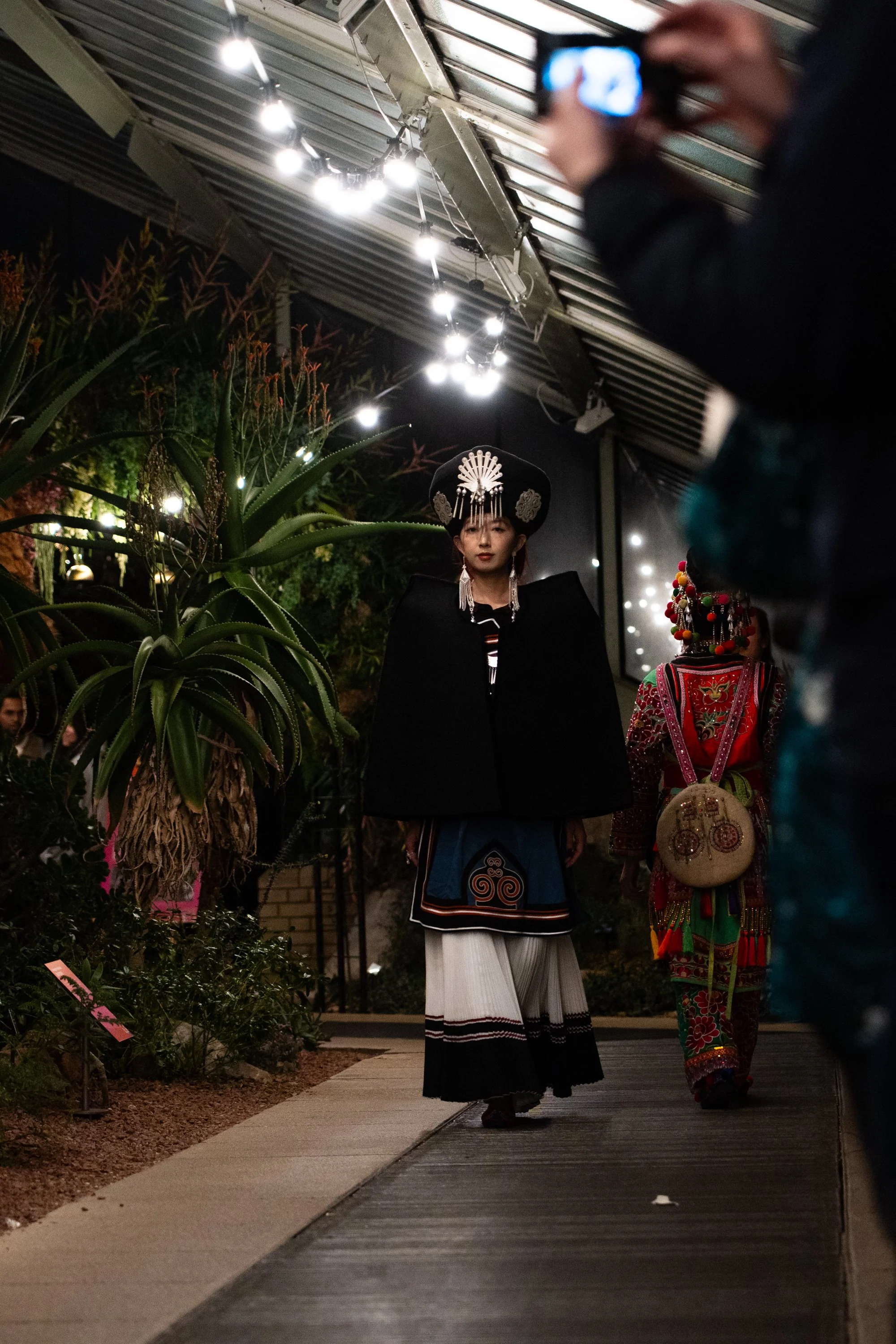
Liangshan Yi 凉山彝族
The traditional dress of the Yi people in Liangshan, southwestern China, combines practicality with strong visual identity. A defining element is the wool cape, made from thick felt or wool, worn over the shoulders to provide warmth in the mountain climate.
This is often paired with a pleated skirt, which adds movement and structure to the silhouette. The contrast between the heavy cape and the flowing skirt creates a balanced and dynamic form.
Together, these garments reflect a way of life shaped by mobility, landscape, and climate, expressing both resilience and cultural continuity within Yi communities.
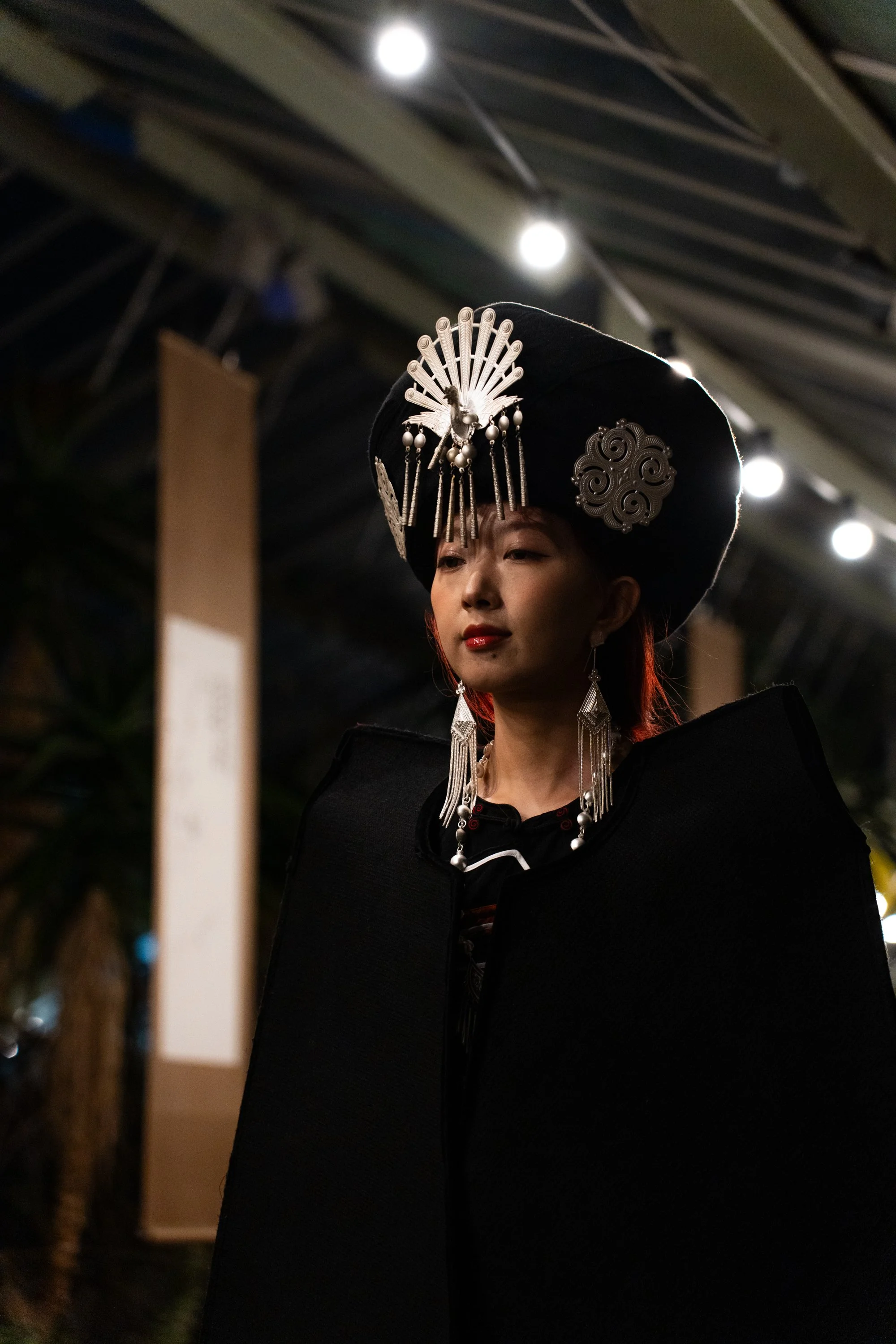
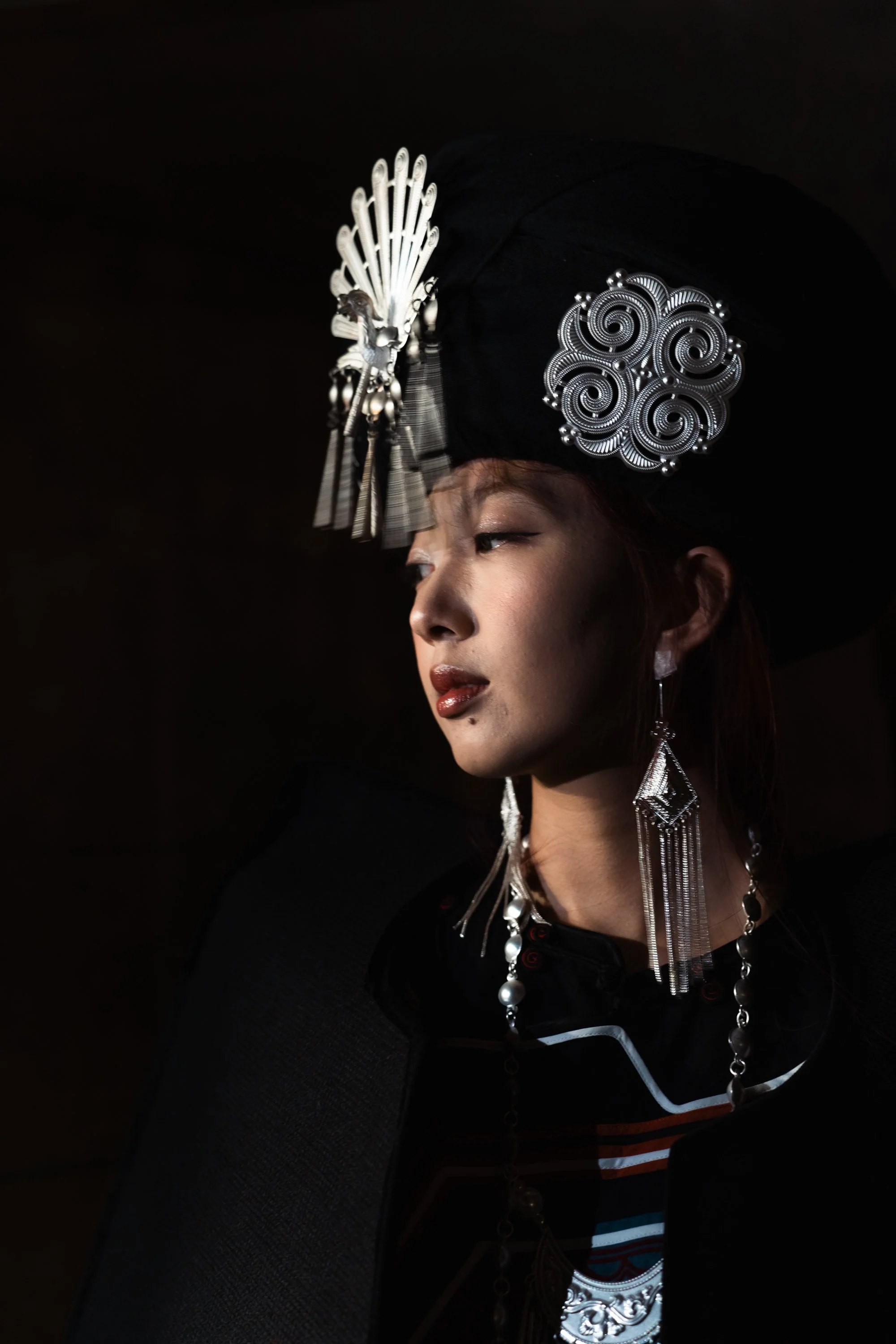
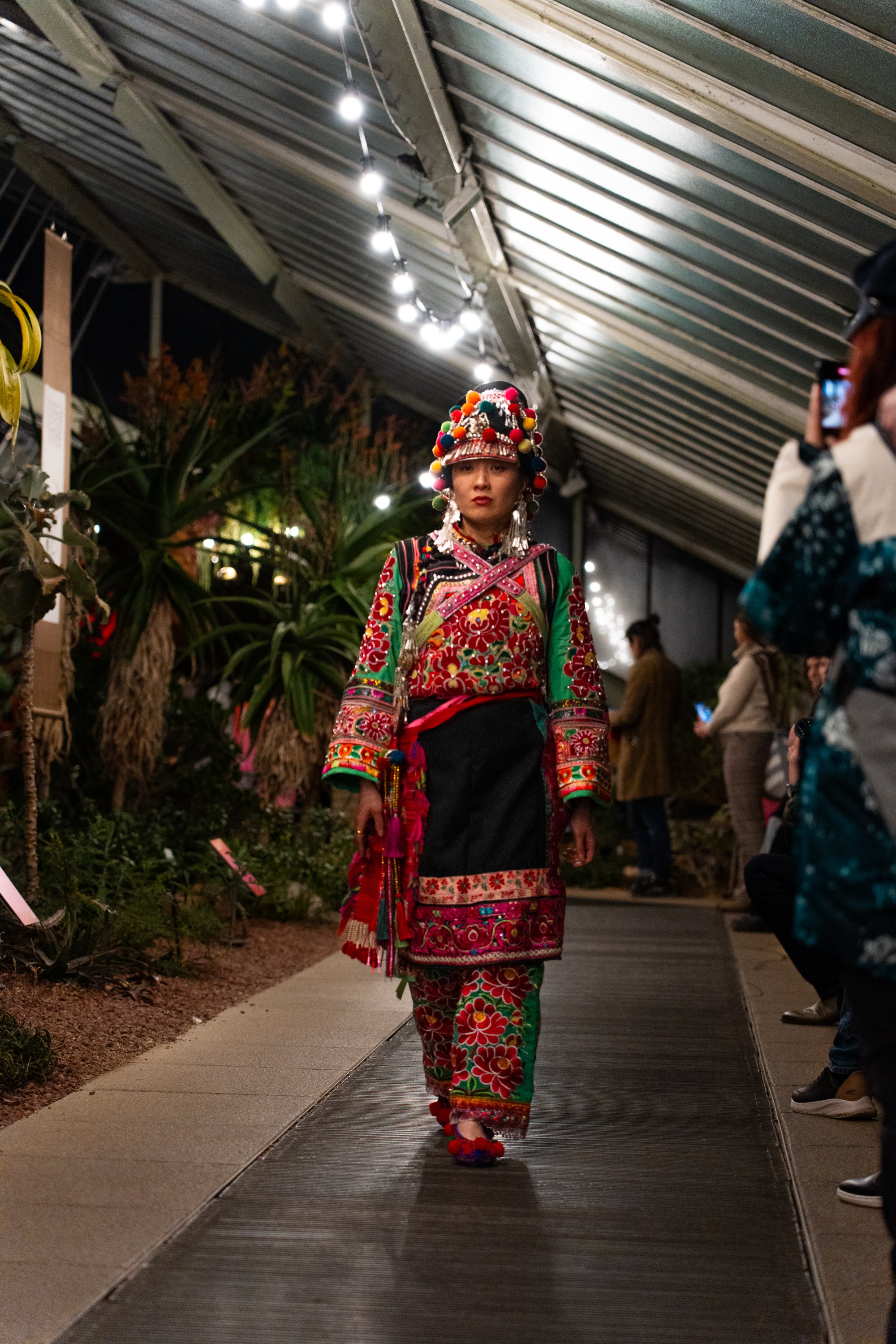
Diaocaocun Laluoba Yi 彝族
The traditional dress of Laluoba Yi women from Diaocao Village in Dali, Yunnan, is distinguished by its vivid colours, intricate embroidery, and layered construction. Richly decorated with bold patterns and fine hand stitching, the garments often combine contrasting tones to create a striking and expressive visual identity.
A key feature is the embroidered felt back panel, which carries deep cultural meaning. In local tradition, it is sometimes associated with ancestral memory and, in some accounts, linked to descendants of the Nanzhao Kingdom, preserving a sense of lineage and identity through dress.
Worn during festivals and significant life events, this attire reflects both aesthetic refinement and a strong connection to history, community, and cultural heritage.